Lucifer’s Legacy: Tracing the Evolution from Ancient Myths to Modern Symbolism
Please note that posts on this site may contain affiliate links
Exploring the multifaceted history and evolution of Lucifer worship requires a deep dive into various cultural, religious, and philosophical contexts. This article examines Lucifer’s journey from ancient mythology to his modern role as a symbol of rebellion, enlightenment, and individual empowerment.
Introduction to Lucifer
The name Lucifer originates from the Latin word lucifer, meaning “light-bringer” or “morning star.” This term has long been associated with the planet Venus, which shines brightly just before sunrise. In Roman mythology, Lucifer was depicted as a torchbearer, symbolizing the pursuit of enlightenment and heralding the dawn.
This early association with light and illumination laid the foundation for Lucifer’s complex role in mythological and theological narratives. Over time, the figure of Lucifer transcended its astronomical roots, taking on deeper themes of rebellion, knowledge, and individuality. These attributes make Lucifer a compelling figure in cultural and spiritual discourse.
Lucifer in Ancient Mythology
Lucifer and the Morning Star
In ancient mythology, the morning star served as a powerful symbol of renewal and enlightenment. Greek mythology featured Phosphorus, the bringer of light, while Roman mythology gave us Lucifer, who represented the planet Venus and its radiant glow at dawn. These figures were not sinister but instead heralds of light and hope, often associated with transitions from darkness to illumination.
Symbolism of the Light-Bringer
The symbolic role of light-bringer established a foundation for Lucifer’s enduring presence in cultural narratives. This imagery reflected humanity’s longing for knowledge, renewal, and the pursuit of truth. The emphasis on light as a transformative force provided a stark contrast to later theological interpretations of Lucifer as a dark and malevolent figure.
Lucifer in Christian Theology
Biblical Origins of Lucifer
The shift from light-bringer to fallen angel emerged in Christian theology, particularly through interpretations of biblical texts. Two key passages are frequently cited in discussions about Lucifer:
- Isaiah 14:12-15: “How you have fallen from heaven, O morning star, son of the dawn!” This lament for a fallen ruler was later interpreted as an allegory for Lucifer’s rebellion and fall. This passage poetically describes the “morning star” falling from heaven, symbolizing the hubris and downfall of the Babylonian king. Christian tradition later interpreted this imagery as an allegory for Lucifer’s rebellion, with the “morning star” representing his prideful attempt to rise above God and the inevitable consequences of his fall.
- Ezekiel 28:12-17: This passage uses poetic imagery to describe a being of extraordinary beauty, wisdom, and perfection, whose pride led to corruption and downfall. Though originally addressing the king of Tyre, Christian tradition later interpreted it as an allegory for Lucifer’s fall from grace. The being’s expulsion from divine favor mirrors the narrative of Lucifer’s rebellion and serves as a moral lesson about the destructive nature of pride.
Although these passages were originally directed at earthly kings, their reinterpretation by theologians solidified Lucifer’s association with Satan and the concept of rebellion against divine authority.
Lucifer as the Adversary
Over centuries, Christian doctrine cast Lucifer as Satan, the ultimate adversary of God and humanity. This rebranding served as a moral warning against pride, ambition, and disobedience. Lucifer became a symbol of temptation and corruption, reinforcing his role as the quintessential fallen angel.
Medieval and Renaissance Interpretations
Medieval Depictions of Lucifer
During the medieval period, Lucifer was portrayed as the embodiment of ultimate evil. Religious texts, art, and literature emphasized his role as a tempter and deceiver. These depictions aimed to instill fear and compliance among the faithful, portraying Lucifer as grotesque, monstrous, and unredeemable.
Renaissance Reinterpretations
The Renaissance brought a more nuanced perspective to Lucifer’s story. Influenced by classical antiquity and humanist ideals, thinkers and artists revisited the archetype of the light-bringer. This era saw a revival of Lucifer’s association with enlightenment, free will, and intellectual curiosity.
Key Example: Paradise Lost
John Milton’s epic poem Paradise Lost offered a groundbreaking portrayal of Lucifer as a tragic anti-hero. His defiance and ambition, while flawed, were depicted with complexity and depth. Milton’s Lucifer became a symbol of free will, embodying the struggle between obedience and autonomy.
Lucifer in Occult and Esoteric Traditions
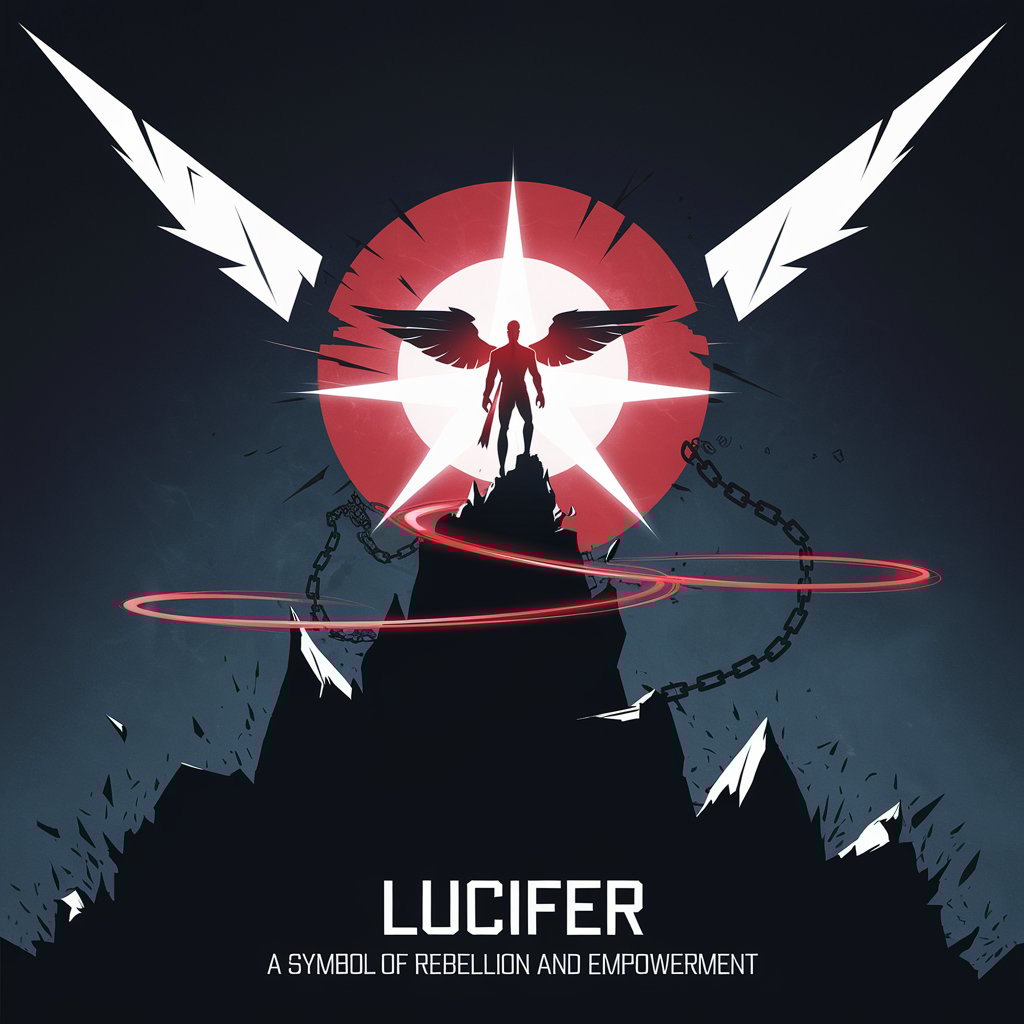
Lucifer’s role in occult and esoteric traditions expanded significantly during the 19th and early 20th centuries. Moving beyond the purely malevolent image found in Christian theology, occultists reimagined Lucifer as a positive archetype representing enlightenment, personal liberation, and defiance against oppressive authority. This reinterpretation aligned with the era’s growing fascination with mysticism, individualism, and the pursuit of hidden truths.
The Rise of Esoteric Interpretations
By the 19th century, occultists began to embrace Lucifer not as a figure of evil, but as a light-bringer and an ally in the pursuit of knowledge and personal empowerment. This shift was influenced by philosophical movements like Romanticism, which celebrated individuality and rebellion, and by the rise of esoteric systems that sought to explore the spiritual and metaphysical aspects of existence.
Lucifer, as the Morning Star and bearer of light, became a powerful symbol of human potential, intellectual curiosity, and resistance to dogmatic constraints.
Key Figures and Movements
Éliphas Lévi
Éliphas Lévi, a French occultist and one of the most influential figures in modern Western occultism, played a crucial role in redefining Lucifer’s image. In his seminal works, including Dogme et Rituel de la Haute Magie (1854), Lévi described Lucifer as a positive force—a bringer of enlightenment and illumination who encourages humanity to seek knowledge and truth.
Lévi’s interpretation positioned Lucifer as an archetype of intellectual and spiritual freedom, breaking away from the rigid moral dichotomies of good versus evil. He argued that Lucifer represents the light of reason and self-awareness, challenging humanity to transcend ignorance and embrace higher knowledge.
Theosophy
The Theosophical Society, founded by Helena Petrovna Blavatsky in the late 19th century, also embraced Lucifer as a complex and transformative figure. In her writings, Blavatsky often referred to Lucifer as the true light-bringer, unmasking ignorance and exposing the hidden truths of the universe. For Theosophists, Lucifer symbolized the power of enlightenment and the individual’s journey toward spiritual evolution.
Blavatsky’s journal, Lucifer, further exemplified her embrace of the archetype as a force for knowledge and liberation, rejecting the Christian narrative of Lucifer as purely evil. Instead, she emphasized the figure’s association with the pursuit of truth and the defiance of falsehood.
Hermeticism and Esoteric Societies
Hermetic traditions, rooted in ancient mystical teachings, also incorporated Luciferian symbolism into their frameworks. Groups such as the Hermetic Order of the Golden Dawn and later esoteric orders like the Ordo Templi Orientis (OTO) viewed Lucifer as an allegory for the quest for divine wisdom.
These societies drew from Hermetic texts and other esoteric traditions that equated Lucifer with Prometheus, the Greek titan who brought fire (knowledge) to humanity. Lucifer became a symbol of sacrifice and illumination, guiding practitioners toward self-empowerment and spiritual awakening.
Lucifer as a Symbol of Personal Liberation
In esoteric traditions, Lucifer represents the idea of personal liberation through knowledge. He is not worshipped as a deity in the traditional sense but is honored as an archetype of human aspiration, challenging practitioners to confront their limitations and embrace their inner potential. This perspective views Lucifer not as a tempter leading humanity astray, but as a guide helping individuals to break free from ignorance, societal restrictions, and imposed morality.
Influence on Modern Occultism
The reinterpretation of Lucifer in esoteric traditions has profoundly influenced modern occult practices. Contemporary Luciferianism, for instance, draws heavily from these 19th and 20th-century reinterpretations. Many modern practitioners see Lucifer as a metaphor for the individual’s journey toward self-discovery, enlightenment, and autonomy.
Luciferian thought often incorporates themes from these earlier movements, emphasizing:
- Individualism: The right to question authority and seek personal truth.
- Knowledge and Enlightenment: The pursuit of intellectual and spiritual growth.
- Resistance to Dogma: The rejection of rigid religious or societal constraints.
Lucifer’s role in occult and esoteric traditions exemplifies humanity’s enduring fascination with light, knowledge, and freedom. From Éliphas Lévi’s writings to the philosophies of the Theosophical Society, the reinterpretation of Lucifer as a force for enlightenment has left a lasting legacy in spiritual and philosophical thought.
Enlightenment and Individualism
Occult traditions viewed Lucifer as a liberator who encouraged individuals to break free from oppressive dogmas. This perspective shifted the narrative from one of punishment to one of empowerment, positioning Lucifer as a figure of defiance and progress.
Modern Luciferianism
Theistic and Atheistic Beliefs
Modern Luciferianism encompasses a wide range of beliefs, from theistic practices that venerate Lucifer as a deity to atheistic perspectives that see him as a metaphor for human potential.
Key Tenets of Modern Luciferianism
- Independence: Luciferians emphasize self-reliance and individualism.
- Enlightenment: The pursuit of knowledge and intellectual growth is central.
- Rebellion Against Oppression: Rejecting traditional norms and questioning authority are key aspects.
Luciferian Practices Today
Modern Luciferians often integrate meditation, shadow work, and ritual practices into their spiritual routines. These practices are designed to foster self-discovery, personal growth, and alignment with Lucifer’s symbolic attributes.
Lucifer in Popular Culture
Lucifer’s influence extends beyond religion and spirituality, permeating popular culture through literature, music, film, and television.
Literature and Art
Lucifer, often synonymous with Satan, has been a compelling figure in literature and art, embodying themes of rebellion, pride, and the eternal struggle between good and evil. His portrayals have evolved over centuries, reflecting cultural, religious, and artistic shifts.
Literary Depictions
- “Paradise Lost” by John Milton (1667)
Milton’s epic poem remains one of the most influential works shaping perceptions of Lucifer. In Paradise Lost, Lucifer is portrayed as a tragic anti-hero, a once-glorious angel whose pride and ambition lead to his downfall. His famous declaration, “Better to reign in Hell than serve in Heaven,” epitomizes his defiance and determination, offering a nuanced character that embodies rebellion and resilience. Milton’s depiction continues to provoke philosophical debates about free will, ambition, and the nature of evil. - “The Divine Comedy” by Dante Alighieri (14th Century)
Dante’s Inferno presents a starkly different depiction of Lucifer. Trapped in ice at the center of Hell, Dante’s Lucifer is a grotesque, tormented figure, immobilized by his own rebellion. This representation emphasizes the consequences of betrayal and pride, contrasting the active, defiant character seen in Milton’s work with one of eternal suffering and remorse. - “Faust” by Johann Wolfgang von Goethe (1808)
In Goethe’s masterpiece, Mephistopheles, a devilish character embodying temptation and cunning, tempts Faust into a pact. This portrayal explores the human condition, ambition, and the moral dilemmas associated with the pursuit of knowledge and power. While not explicitly named as Lucifer, Mephistopheles channels Luciferian themes of rebellion and the questioning of divine authority. - “The Master and Margarita” by Mikhail Bulgakov (1967)
Bulgakov introduces Woland, a sophisticated and enigmatic representation of Satan, who visits the atheistic Soviet Union. Woland’s actions expose human folly, hypocrisy, and moral weakness, blending humor and philosophical depth. This portrayal underscores the complexities of Lucifer as both a disruptor and a mirror to humanity’s flaws.
Artistic Depictions
- “The Fall of the Rebel Angels” by Pieter Bruegel the Elder (1562)
Bruegel’s vivid painting captures the chaos of Lucifer’s expulsion from Heaven. The fallen angels transform into grotesque, otherworldly creatures, emphasizing the turmoil and consequences of rebellion. The painting serves as a visual allegory of the destructive nature of pride and defiance. - “Satan in His Original Glory” by William Blake (1805)
Blake’s depiction of Lucifer as a majestic, almost divine figure reflects his fascination with the duality of innocence and experience. The artwork suggests a complex view of Lucifer, not as purely evil, but as a being embodying both light and darkness. - “Lucifer” by Franz von Stuck (1890)
This iconic painting portrays Lucifer as a brooding, muscular figure, radiating both allure and menace. Stuck’s Lucifer captivates viewers with his enigmatic expression, highlighting the seductive and dangerous aspects of rebellion. - “Le génie du mal” (The Genius of Evil) by Guillaume Geefs (1848)
This marble sculpture located in Liège, Belgium, presents a pensive and restrained Lucifer. The melancholic expression and graceful pose emphasize the tragedy of his fall, capturing the emotional depth of his character.
These depictions in literature and art reveal humanity’s enduring fascination with Lucifer as a symbol of defiance, free will, and the consequences of hubris. Through these creative works, Lucifer transcends his theological origins to serve as a mirror reflecting societal values, fears, and the perpetual intrigue with the metaphysical battle between light and darkness.
Modern Media
Lucifer’s portrayal in contemporary media reflects society’s fascination with themes of freedom, morality, and duality.
Television and Film
Lucifer has been depicted as a complex and multifaceted character in various television series, each offering a unique perspective on the fallen angel:
- Lucifer (2016–2021)
Tom Ellis stars as Lucifer Morningstar, who abandons his throne in Hell to run a nightclub in Los Angeles and becomes a consultant for the LAPD. The series blends crime procedural elements with supernatural themes, exploring Lucifer’s journey toward redemption. - Supernatural (2005–2020)
Mark Pellegrino portrays Lucifer as a tragic villain with deep resentment toward humanity and his father, God. His character arc delves into themes of rebellion, jealousy, and the desire for freedom, making him a pivotal figure in the series’ exploration of celestial conflicts. - The Sandman (2022–present)
Gwendoline Christie takes on the role of Lucifer Morningstar in this adaptation of Neil Gaiman’s acclaimed comic series. This version presents Lucifer as an androgynous and enigmatic ruler of Hell, staying true to the original comic’s portrayal of a layered, complex character. - Constantine (2005)
Peter Stormare delivers a memorable portrayal of Lucifer, characterized by a suave and sinister demeanor. His unsettling calmness and distinctive aesthetic make him a standout figure in the film’s climactic scenes. - Good Omens (2019–present)
While the series focuses on an angel and a demon working together to prevent the apocalypse, Lucifer’s presence looms as the former archangel and leader of the fallen. The show skillfully blends humor with theological themes, offering a light-hearted yet thoughtful portrayal of celestial beings.
Music
Luciferian themes often appear in songs celebrating rebellion and self-determination. Some notable examples include:
- Ora Pro Nobis Lucifer by Behemoth
A homage to Lucifer as the fallen angel, embodying anti-establishment ideals and the freedom of self-expression.
Watch on YouTube - Lucifer by Mercyful Fate
This track delves into themes of rebellion and questioning religious beliefs, contrasting conventional views of good and evil while encouraging introspection.
Watch on YouTube - I Luciferi by Danzig
A dark and introspective piece that explores temptation, rebellion, and the tension between good and evil, encouraging contemplation of personal identity.
Watch on YouTube - all the good girls go to hell by Billie Eilish
Employs Luciferian imagery to highlight themes of individualism and defiance against societal norms, symbolizing self-determination.
Watch on YouTube - N.I.B. by Black Sabbath
Often interpreted as a love song from Lucifer’s perspective, this track examines temptation, the forbidden, and the complexities of rebellion and autonomy.
Watch on YouTube
These portrayals in television and music illustrate the enduring fascination with Lucifer as a symbol of rebellion, redemption, and self-determination, offering diverse interpretations that resonate across genres and audiences.
Conclusion
The evolution of Lucifer from a Roman symbol of light to a modern archetype of rebellion and empowerment illustrates the adaptability of myth and its reflection of cultural shifts. Whether seen as a deity, a metaphor, or a literary figure, Lucifer continues to inspire discussions about knowledge, authority, and individual freedom.
Through centuries of reinterpretation, Lucifer has remained a compelling symbol of humanity’s quest for truth and self-determination. His enduring legacy speaks to our collective fascination with the complexities of light, darkness, and the human spirit.
Lilith Spells: Embrace the Dark Divine Feminine and Feminist Power
Unlock the transformative power of Lilith and harness the dark divine feminine with ‘Lilith Spells: Tapping Into The Dark Divine Feminine And Feminist Activism‘ for only $5.99—a powerful journey of empowerment, independence, and spiritual liberation.

Tips For Working With Lucifer During The Winter Solstice
Winter solstice timing makes sense for working with Lucifer when you look at what’s actually…
Stolas Altar Setup Guide: Study Desk for Goetic Teaching Work
Stolas teaches by training you to look harder. You’re studying moon phases for class and…

How to Build a Working Altar for Goetic King Bael
Bael appears in grimoires as the first king of the Goetia, ruling sixty-six legions. The…
How King Paimon Teaches Arts and Sciences Through Joy and Precision
The Ars Goetia describes the Ninth Spirit, King Paimon, arriving on a dromedary with a…

Lucifer Crystal Guide: Ruby, Obsidian, Citrine, and Light Bringer Stones
Lucifer gets crystals associated with Venus as the morning star, with light and illumination, and…

Lilith and Lucifer Worship: 3 Occult Books to Understand Two Deities Defined by Refusal
The most powerful deities in modern witchcraft share one thing: they said no when told…