Stolas Altar Setup Guide: Study Desk for Goetic Teaching Work
Please note that posts on this site may contain affiliate links
Stolas teaches by training you to look harder. You’re studying moon phases for class and suddenly you’re curious why ancient calendars tracked them differently. You’re identifying a plant and instead of googling “green leaf,” you start wondering what makes this leaf structure different, which leads you to questions about climate and soil. That shift from “I need to pass this test” to “Wait, what if I approached this differently” is what he does.
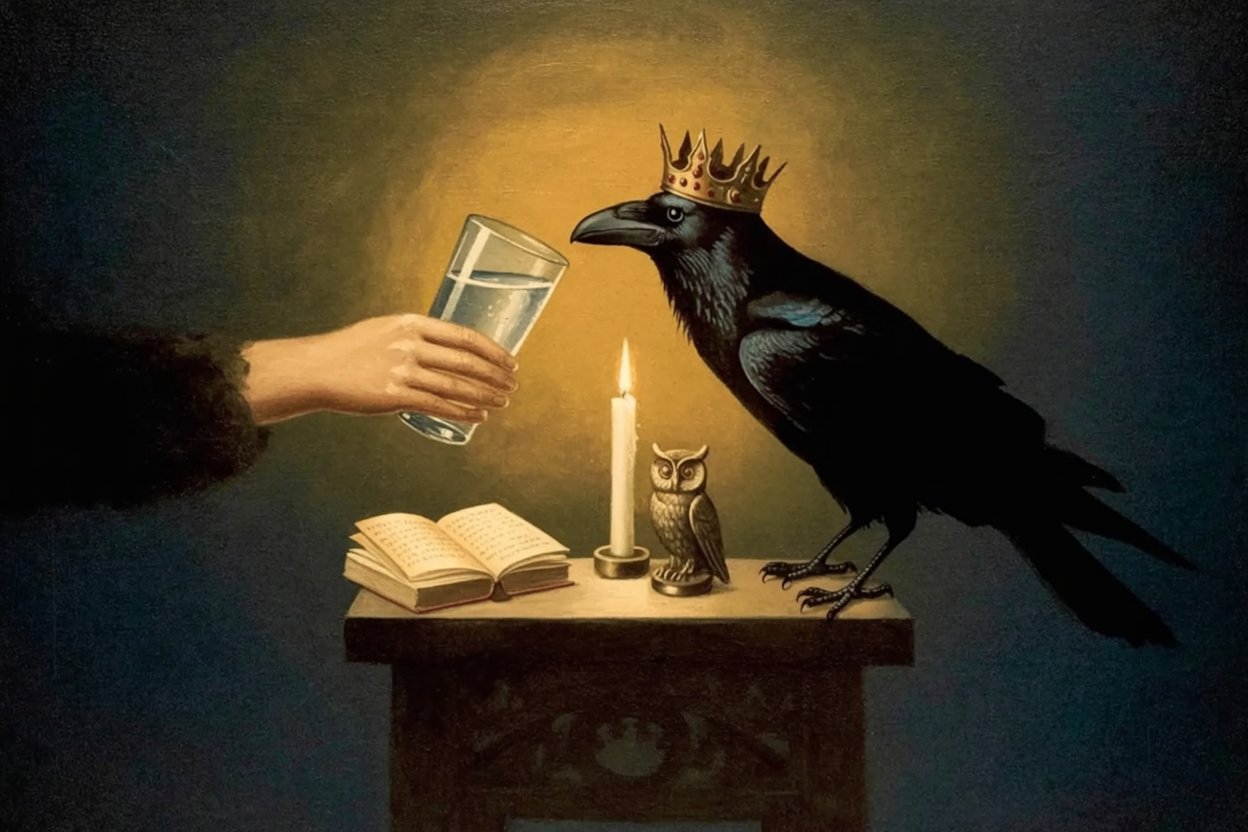
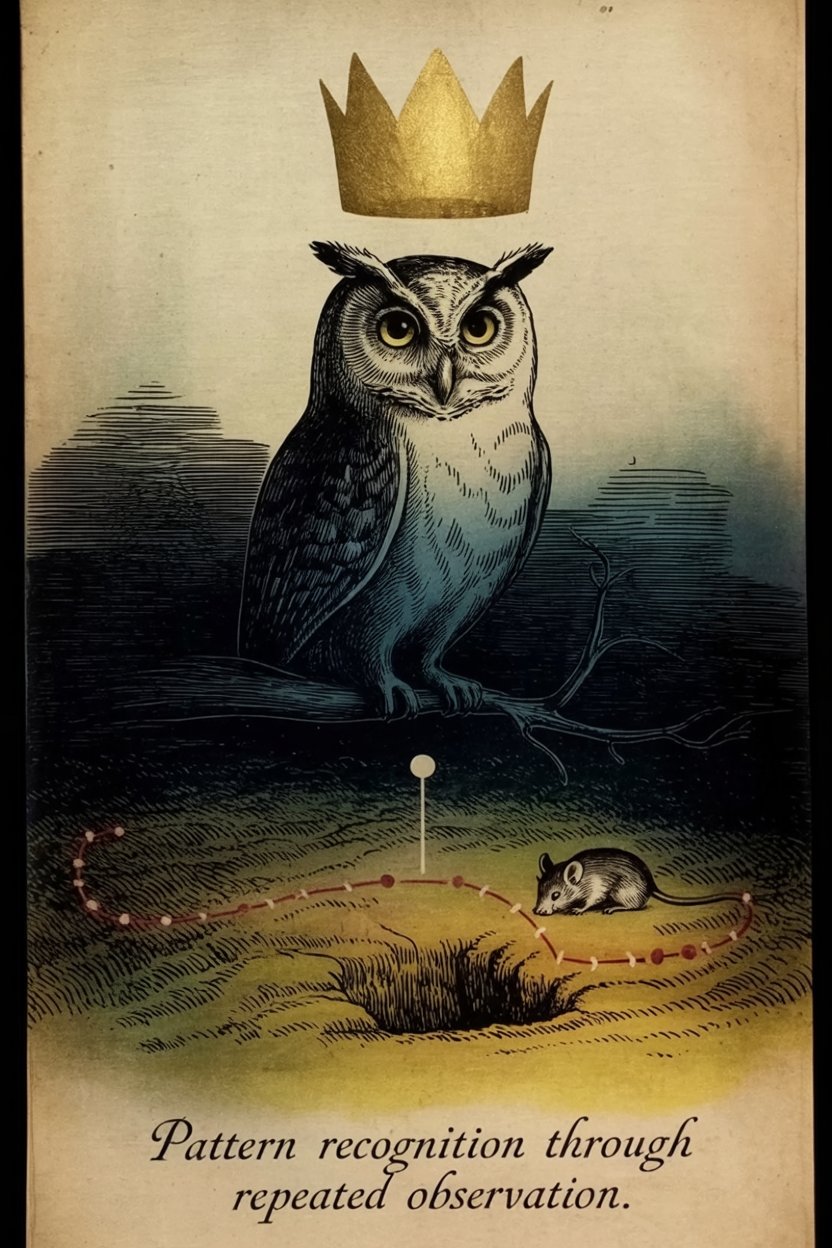
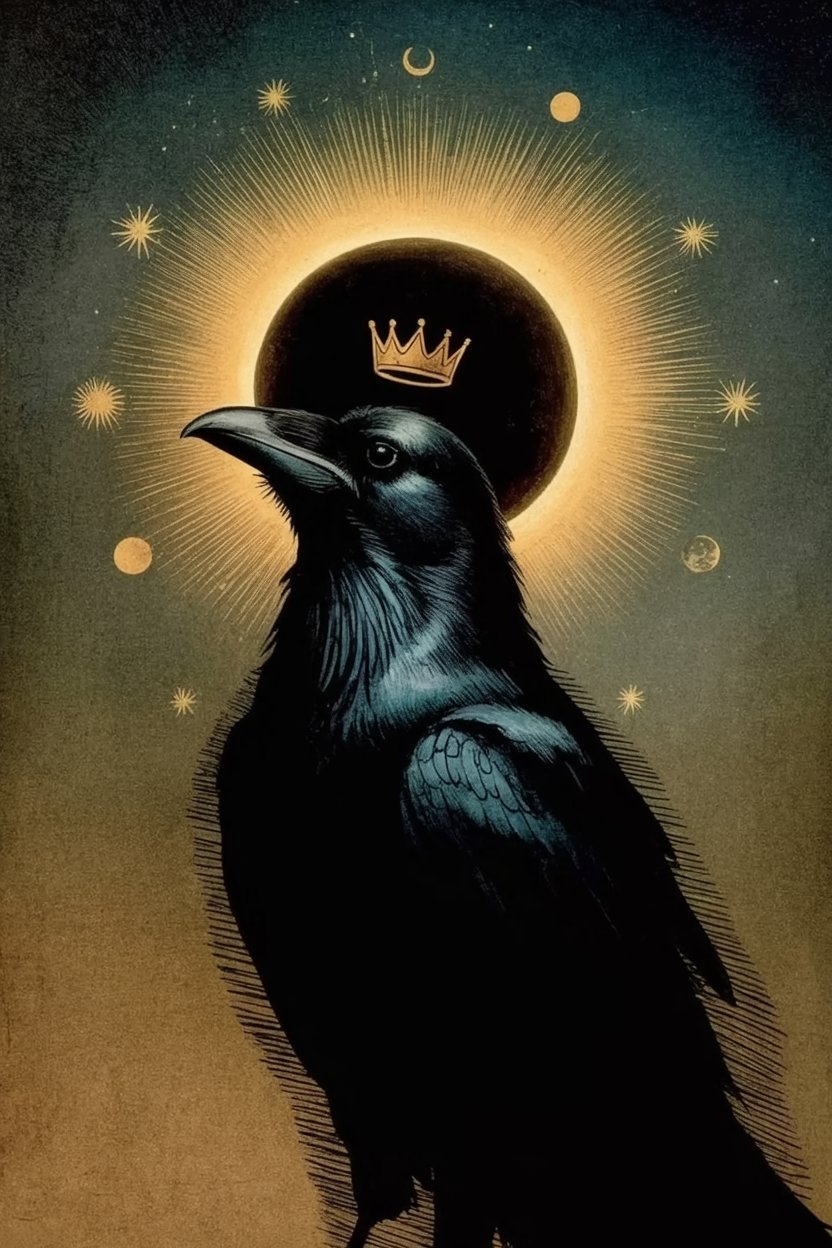
The old magic books describe Stolas as the 36th spirit of the Ars Goetia. He holds the rank of Great Prince and commands 26 legions. He appears as a crowned owl or raven, then takes human form when asked. Nocturnal raptors hunt by watching patterns in darkness, learning through patient observation rather than force. Stolas teaches the same way. He doesn’t hand you answers. He trains you to find them, to recognize what’s worth studying, and to follow curiosity into new territory.
His teaching applies to any kind of studying. High school students drowning in biology homework. People teaching themselves tarot at 2 AM because no one around them practices. College students, adults returning to school, lifelong learners who thought “I’m bad at this” and wanted to improve. Stolas teaches the skill underneath the subject.
The old books link astronomy, herbs, and stones because people in the 1500s and 1600s studied them together. Ship captains needed star charts to navigate at night. Healers needed to know which plants worked for fever and when to harvest them. Anyone trying to tell silver ore from worthless rock had to learn testing methods. In 1551, astronomers published planetary position tables that everyone from astrologers to sailors used for the next hundred years. A medical herbal from 1652 organized 369 plants by their planetary correspondences and harvest timing. A 1556 mining manual taught how to identify silver by lead content and distinguish real sapphires from blue glass by weight and hardness. That same approach to learning through observation still works, whether you’re studying for exams, developing research skills for occult practice, or teaching yourself something your school doesn’t offer.
Setting Up the Altar
Basic elements:
- Small table or desk surface with working space in the center
- One candle (white or yellow for Mercury/learning associations)
- Incense (optional, use cedar or sandalwood if you want it)
- Cup or small bowl for water offerings
- Owl image or statue
Initial approach: Stolas doesn’t require formal consecration rituals. Set up your basic altar space, place your first study materials on it (a book you’re currently reading, a star chart, whatever you’re learning), and start working. Light the candle when you sit down to study. The relationship begins through doing the work, not through invocation.
Offerings: Water works. You can also offer completed observations (showing him your star chart with new constellations identified, your labeled plant specimens, your notes on mineral identification). The offering is the learning itself. If you want to leave traditional offerings, frankincense or myrrh resin works, or simply keeping the altar clean and actively used.
Colors: Yellow and blue connect to air element and Mercury. Purple connects to learning and wisdom. Use what makes sense for your study space. Practically, you need good lighting and a surface that doesn’t show dust, because the altar gets used as a working desk.
What His Altar Does
Most Goetic altars function as petitioning spaces. You approach formally, state your request, make offerings, receive response or refusal. Stolas doesn’t work through direct exchange. His teaching requires active engagement over time, which means the altar supports study rather than supplication.
My altar stays minimal. A 1970s astrology book and a cup of water. When I’m actively working, it becomes a study desk. My phone and laptop go there along with whatever books I’m currently reading. The empty center is functional space for spreading materials and actually working.
The altar holds whatever you’re currently learning to identify. A star chart with last week’s observations marked in pencil. Three mint species in jars for comparing leaf shapes. Clear quartz next to calcite because you’re testing which one scratches glass. Books open to working pages. A magnifying glass for examining plant structures and crystal formations.

Altar Materials and Their Function
Astronomical tools: Celestial charts and navigation instruments appear because Stolas teaches astronomy as practiced when the old books were written. Pre-telescope observation. Finding planets against the zodiac. Tracking lunar phases. Using star positions for timekeeping and direction. The altar needs star charts at eye level and space for recording observations. Planispheres work well because they show which constellations are visible at any date and time. For those interested in combining lunar timing with Stolas work, full moon observation makes it easier to spot brighter stars while learning major constellations.
Owl imagery: The crowned owl from old descriptions represents his teaching authority. Owls hunt through pattern recognition and patience, watching the same field night after night to learn where prey emerges. A small carved owl or owl imagery reminds you of the patient, observational approach his teaching requires.
Plant specimens: Not offerings. Study materials. You collect samples of related plants to learn differentiation. Mints together, different types of artemisia together, comparing leaf structure and scent. Small glass vials or apothecary jars work for dried samples. Labels matter because organizing information clearly is part of the learning. Fresh sprigs in a small vase work for comparing plants currently in season.
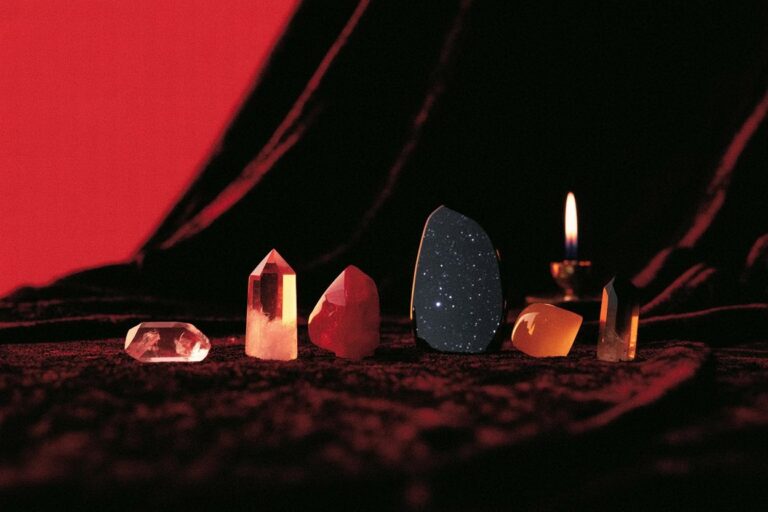
Minerals and stones: Comparison teaches identification. You collect specimens that look similar but differ in composition, hardness, or crystal structure. A simple hardness test (does it scratch glass, can a steel file scratch it) distinguishes quartz from calcite even though both form hexagonal crystals. Palm-sized specimens work well for handling and examining. Working with crystals for learning and stone identification creates a foundation that extends beyond Stolas work. Understanding which specific stones align with his teaching domains helps you choose specimens that support the relationship.
Books and reference materials: Field guides for plant identification specific to your region. Historical astronomy texts showing constellation mythology and navigation methods. Herbals describing plant properties and traditional uses. These sit on the altar as working tools. If you’re not opening them regularly, they shouldn’t be there.
Working space: Unlike petition altars, Stolas altars need empty center space for spreading charts, examining specimens, taking notes. The altar functions as a desk. Tools and materials arrange around the edges, leaving room for actual work in the center.
How the Teaching Relationship Works
Your first week: Pick one thing to study. A constellation you can’t identify yet. Three plants you can’t tell apart. Two minerals that look similar. Sit at the altar with your materials and reference books. Light the candle. Try to figure out the difference. Take notes on what you observe. When you get stuck, leave it and come back the next night. The point isn’t solving it immediately. The point is training yourself to look closely and ask better questions.
Daily practice: Spend 20-30 minutes at the altar actually studying. Not meditating on Stolas. Not formal ritual. Studying. Compare your plant specimens. Mark new observations on your star chart. Test mineral hardness. Read your field guides. Take notes. The work itself is the practice. Stolas teaches through the doing, not through visions or messages.
How information arrives: You’ll spend an entire night trying to identify a plant and give up frustrated. Two weeks later you’re half-listening to a podcast and someone mentions the thing you missed (opposite leaf arrangement versus alternate) and suddenly you understand. Or you need to know something specific about minerals and a friend cleaning out her garage gives you a rock identification guide she was going to throw away. The information comes sideways. It’s annoying at first, especially if you’re used to googling everything. But it trains you to notice when useful information appears and actually retain it.
When you know it’s working: You start following curiosity naturally. You see a plant on a walk and wonder what species it is instead of just walking past. You notice which stars are visible tonight and whether they’ve shifted position since last week. You pick up a rock and test its hardness before looking up what it might be. The questions become automatic. That shift from “I need to learn this” to “I want to know this” is the teaching working.

Timing and Maintenance
Wednesday connects to Mercury, governing communication and learning. Night work aligns with nocturnal observation (astronomy) and the owl’s hunting hours. New moon and first quarter phases provide dark sky for star observation while still offering enough moonlight for outdoor work.
Plant specimens get replaced when you’ve learned to identify them and need new species to study. Star charts rotate monthly to match current sky. Books change based on what you’re researching that week.
In April you could name seven constellations. By October you’re locating forty and using Polaris to find true north within five degrees. Six months ago you couldn’t tell spearmint from peppermint even when you crushed the leaves and smelled them. Now you can spot the difference before you touch them. Spearmint has pointed leaves that attach directly to the stem, peppermint has rounder leaves on short stalks. Last spring you needed a field guide open to identify quartz. This fall you’re testing specimens with a steel file to distinguish calcite from quartz by hardness (calcite is softer, quartz scratches glass).
Stolas Among Other Goetic Spirits
King Paimon teaches arts and sciences through different methods, often more direct instruction. Orobas reveals hidden information rather than teaching observation skills. President Foras also teaches about herbs and stones but focuses more on ethics and eloquence, while Stolas emphasizes natural history and the ability to generate new questions from what you observe. Duchess Gremory works with hidden knowledge but through divination and revelation rather than systematic study.