Hekate’s Triple Goddess Nature: Understanding Her Three Aspects
Please note that posts on this site may contain affiliate links
Hekate’s triple goddess nature confuses many practitioners who encounter contradictory information about her three faces. The various interpretations of her triple form exist because her worship evolved across different regions and historical periods.
When I first began researching Hekate, the conflicting accounts of whether she represented maiden, mother, and crone or three identical faces pointing in different directions left me sorting through stacks of books seeking clarity. Ancient depictions show her with three bodies or three heads, sometimes identical and sometimes different. This multiplicity represents her ability to see in all directions simultaneously, particularly at crossroads where multiple paths converge.

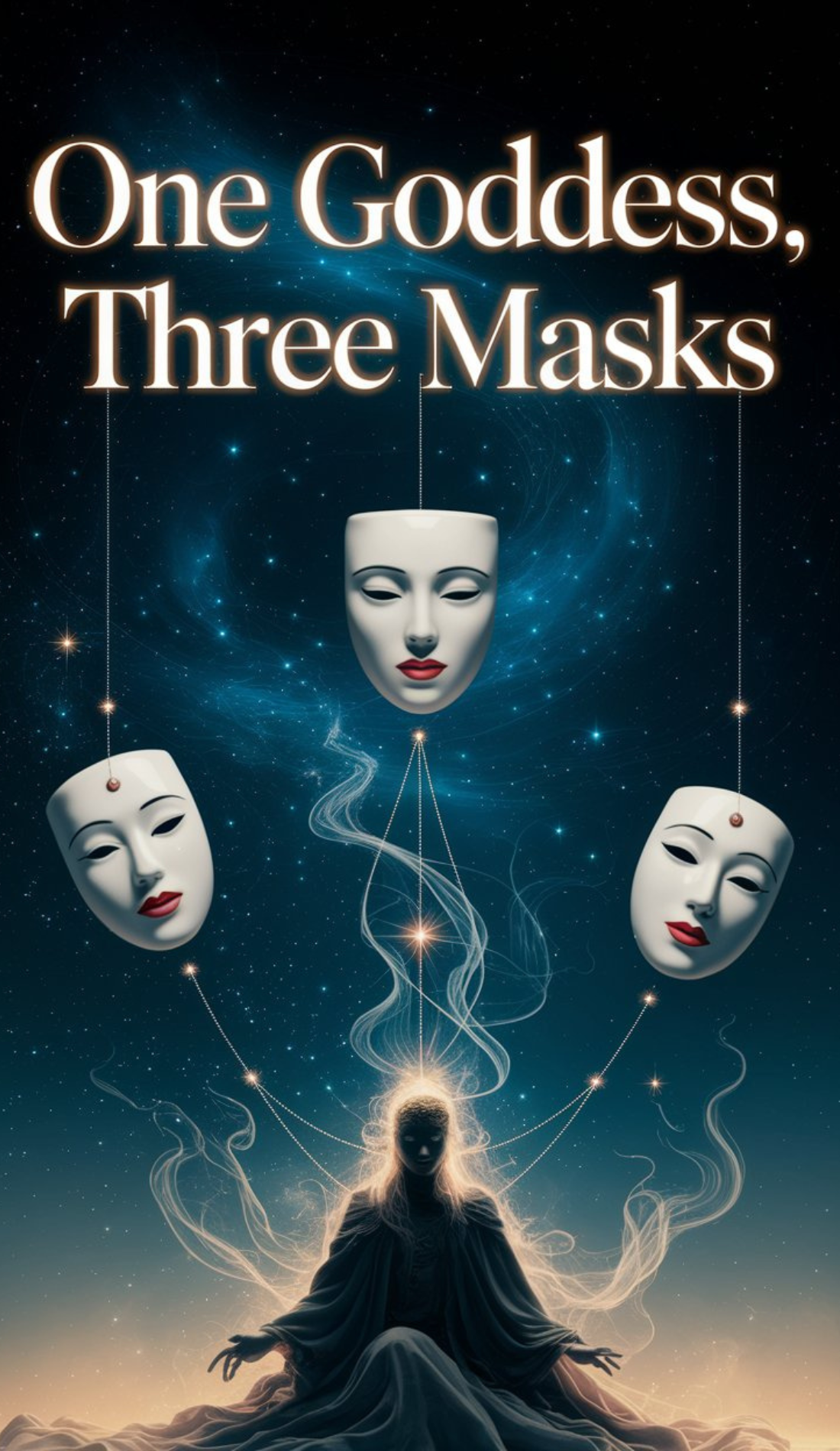
Her triple nature connects directly to her role as a liminal deity who guards boundaries and transitions. The number three appears consistently in her iconography, with most Hekate statues from ancient Greece showing three identical forms standing back-to-back.
These triomorphic representations reinforce her ability to look in multiple directions simultaneously. The oldest known references to her triple nature come from Greek pottery dating to the 5th century BCE. Artifacts from this period show her holding torches, keys, daggers, or snakes in each of her forms.
The question of whether Hekate truly fits the maiden-mother-crone paradigm requires examining historical evidence rather than modern interpretations. Classical texts rarely classify her explicitly in these three life stages. The maiden-mother-crone framework became widely applied to triple goddesses during the 20th century through modern pagan movements.
Classical depictions more commonly showed her as three identical maiden forms or occasionally as three different ages. Her connection to fertility appears in some regional traditions but doesn’t conform neatly to the modern triple goddess concept popular today.

Archaeological findings at the temple of Lagina in ancient Caria (modern Turkey) reveal a more complex picture of her worship. Here, inscriptions mention her three aspects relating to the celestial, earthly, and chthonic realms rather than human life stages.
This three-realm division better aligns with ancient theological understanding. The three forms allowed her to maintain awareness of what happens above in the heavens, upon the earth, and below in the underworld. This interpretation explains her effectiveness as a psychopomp guiding souls between realms.

The Three Aspects of Hekate Explained
The celestial aspect of Hekate connects to the bright torch-bearing goddess who illuminates darkness. This form associates with the full moon when her light shines brightest. In this aspect, she brings clarity, illumination, and guidance. Historical texts mention her torch-bearing aspect frequently, as in the Homeric Hymn to Demeter where she helps search for Persephone. This celestial Hekate assists with divination, gaining clarity, and finding lost things or people.
Her earthly aspect relates to crossroads, doorways, and the mundane world. This form associates with the half moon and twilight moments. She stands at thresholds where multiple paths converge, helping mortals make important life decisions. Greek households placed Hekate statues at their doorways for protection, showing her importance in this transitional aspect. The earthly Hekate helps with protection magic, decision-making, and transitions between life phases.
The chthonic aspect reveals her underworld connections and associations with magic, spirits, and the dead. This form corresponds to the new moon or dark moon when her presence becomes most mysterious. Ancient Greek magical papyri frequently invoke this aspect for powerful spellwork. The chthonic Hekate assists with shadow work, communicating with spirits, and transformational magic that requires deep change.
These three aspects sometimes appear as different ages in certain traditions. The celestial aspect might show youthful features, the earthly aspect mature features, and the chthonic aspect elderly features. However, this age progression appears inconsistently across historical sources. Most ancient depictions show three identical forms rather than three different ages.
Lunar connections strengthen her triple nature across multiple traditions. The waxing, full, and waning moon phases correspond to her different aspects. Some ancient texts explicitly connect her to Selene (moon), Artemis (waxing moon), and Persephone (waning moon). These lunar associations reinforce her ability to illuminate the darkness both literally and metaphorically. Her torches serve as miniature moons, bringing light to places where the moon cannot reach.
Working with Hekate’s Triple Nature in Practice
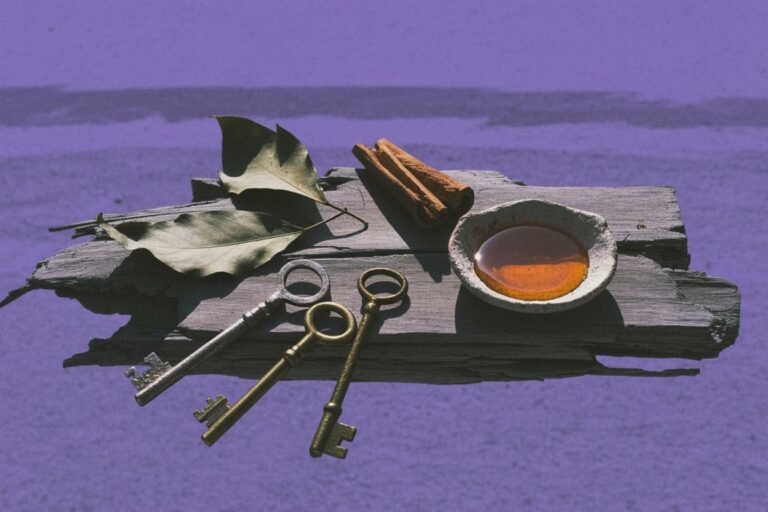
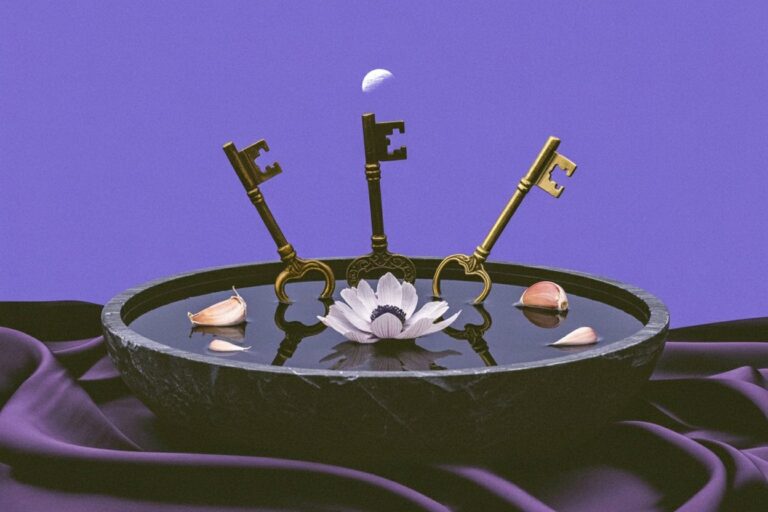
When setting up an altar or performing rituals for Hekate, acknowledging her triple nature enriches your practice. Consider using three candles or torches to represent her three aspects. For her celestial aspect, white or silver candles, moon imagery, and star symbols work well. For her earthly aspect, include keys, crossroad symbols, or images of doorways. For her chthonic aspect, incorporate darker colors, pomegranates, or symbols of transformation.
Offerings can also reflect the specific aspect you wish to work with. Her celestial aspect appreciates honey, star anise, and clear quartz. The earthly aspect responds well to bread, herbs grown at crossroads, and protective stones like black tourmaline. The chthonic aspect welcomes dark foods like garlic, mushrooms, and black beans. I found combining elements from all three aspects creates a particularly powerful connection, especially during the dark moon when the boundaries between her forms seem most permeable.
When invoking Hekate for magical purposes, consider which aspect best aligns with your intention. Need clarity or guidance? Work with her celestial aspect during the full moon. Seeking protection or help with transitions? Her earthly aspect during the half moon serves well. For deeper transformational work or communicating with spirits, her chthonic aspect during the new moon proves most effective.
Creating a ritual that honors all three aspects might involve moving through three stations in your sacred space. Begin with her celestial aspect for clarity about your situation. Move to her earthly aspect to understand the choices before you. Conclude with her chthonic aspect to transform according to the path you’ve chosen.
The effectiveness of working with Hekate’s triple nature comes from understanding that these aspects aren’t separate goddesses but facets of her complete being. She exists simultaneously in all three forms, seeing what happens in the heavens, on earth, and in the underworld. This comprehensive awareness makes her particularly powerful for magic involving transitions, transformations, and moving between worlds. Her triple vision allows her to guide practitioners through complex spiritual terrain, illuminating the way forward when other deities might see only one realm.

Full Moon Magic with Hekate: An Exclusive Guide
Unlock the transformative power of Hekate during the full moon for just $4.99 with ‘Working With Hekate During The Full Moon‘—awaken your spirit, harness new opportunities, and connect deeply with the goddess of witchcraft.