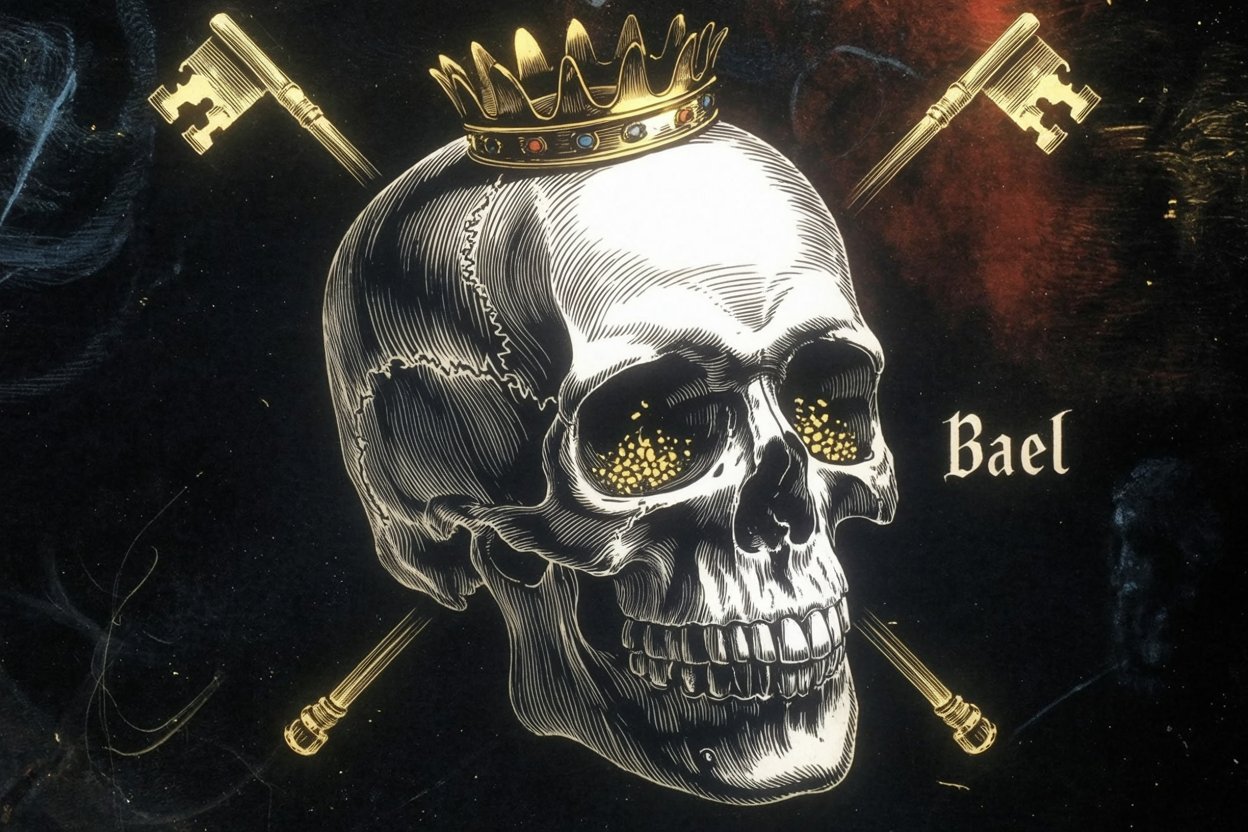
How to Build a Working Altar for Goetic King Bael
Please note that posts on this site may contain affiliate links
Bael appears in grimoires as the first king of the Goetia, ruling sixty-six legions. The Lesser Key of Solomon describes him with three heads: cat, toad, and man. He governs the East, teaches invisibility, and commands powers over war, science, and storms.
Purple velvet or silk drapes across the back as a backdrop, or spreads beneath offerings as a base layer. A thrift store scarf works as well as expensive yardage as long as it’s actual fabric, not synthetic.
Building an altar to Bael requires materials that reflect his royal status (gold, purple), his elemental correspondence (fire), and his domains (espionage, warfare, storms, science). The altar faces East, uses traditional offerings like bread and oil, and gets tended with the same attention you’d give any working relationship. This covers the physical setup, placement, and maintenance schedule that creates stable communication with Bael.
Core Offerings and Materials
Bael’s altar materials come from grimoire correspondences and historical practice. Each category addresses a different aspect of his nature: his rank as Hell’s first monarch, his fire element, his specific domains of power, and the traditional offerings used in ancient Baal worship.
Gold and Purple: Royal Status
Bael ranks as Hell’s first monarch. Gold items anchor his royal status on the altar. Brass candlesticks catch light. Gold-painted objects (frames, boxes, decorative pieces) create regal presence without expensive materials.
Crown imagery works best when subtle: a brass circlet resting on a stand, a gold-painted pinecone, a small decorative piece that reads as regal without looking like a costume prop.
Candles, Incense, and Carnelian: Fire Element
Dragon’s blood resin burned on charcoal creates a ceremonial magic atmosphere. Cinnamon bark (not stick incense, actual bark) works similarly. If charcoal smoke overwhelms your space, cinnamon stick incense serves as compromise.
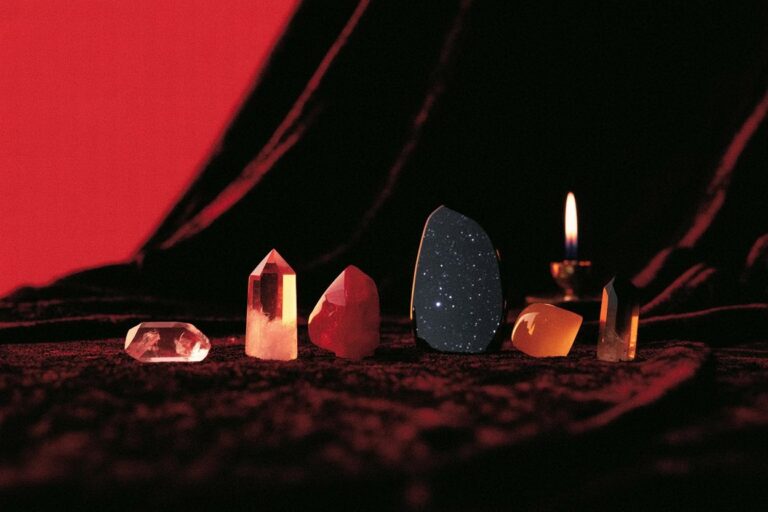
Carnelian ranges from pale orange to deep blood red. This microcrystalline quartz forms with iron oxide, giving it that fire coloring. Multiple pieces of varying shades create visual interest. Raw chunks or tumbled stones both work.
Powers and Domains: What to Include for Invisibility, War, Storms, and Science
Invisibility and espionage call for masks (small decorative ones), eye imagery (watching without being seen), or keys (unlocking hidden knowledge). Vintage keys work well on stands, small Venetian masks catch the secretive quality, and eye pendants emphasize the watching-without-being-seen aspect.
War items include a ritual dagger or athame (six to ten inch blade). Small shields or armor pieces show up at antique stores sometimes. Red fabric reinforces the martial correspondence.
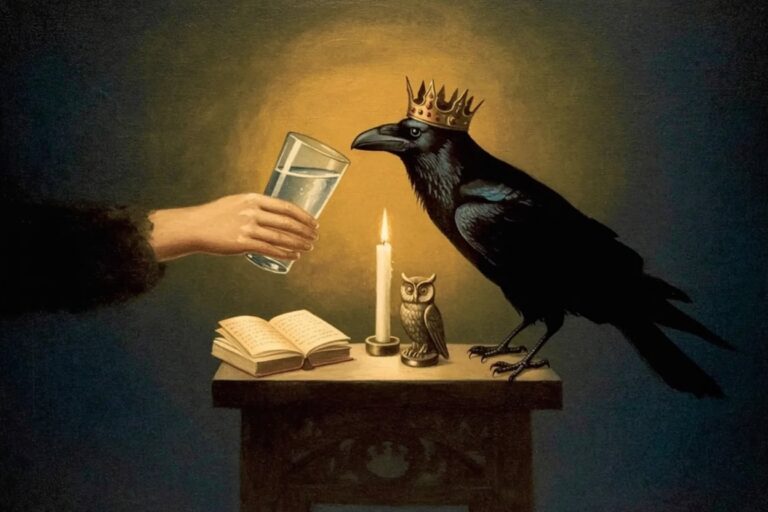
Rain and storms require rainwater collected during actual storms, not tap water. Glass vessels show the water clearly. Storm photographs or artwork depicting lightning. Silver items reflect light like rain on metal.
Science means old instruments like compasses, magnifying glasses, and vintage scientific tools from antique stores or online. Books work especially well, particularly occult science texts. Brass items carry alchemical associations.
Traditional Offerings: Bread, Oil, Grains, and Fresh Produce
Ancient Canaanite Baal worship used bread offerings. Historical accounts describe shaped bread, sometimes infant-shaped, tied to child sacrifice practices with nasty implications. Modern practice adapts this by using shaped dough figures if you want that symbolic resonance without the baggage, or plain loaves work fine.
Unleavened flatbread, round loaves, and braided bread all count as traditional forms. Refresh weekly since bread goes stale. Baking your own bread and shaping it intentionally adds personal energy to the offering.
Cold-pressed olive oil in golden color, not the pale refined kind. Small glass or ceramic bowl. Refresh monthly. Traditional offering that connects to Bael’s ancient origins.
Whole grains go in small bowls: wheat, barley, or oats. Use the actual grain kernels, the unprocessed kind. Rotate seasonally or refresh quarterly.
Fresh fruits and vegetables, seasonal and local when possible. Apples, pomegranates, root vegetables. Remove before they spoil.
Insect Offerings
Bael connects to Beelzebub (Lord of Flies) through historical conflation. Insect offerings honor that connection, but ethics matter here.
Use dead beetles found naturally, not killed by your hand. Wasp nests work only after abandonment (never take from active nests). Insect wings from naturally deceased insects appear on windowsills, in garage corners, or in outdoor spaces.
Insects in shadowboxes become permanent altar decoration. The papery architecture of wasp nests and iridescent wing casings of beetles catch candlelight. These sit as backdrop elements rather than consumable offerings.
Never kill insects for offerings. Never use live insects. Never take from active nests. The doctrine of signatures explains why forms matter in correspondences: the physical properties create symbolic resonance. But that resonance changes if you create suffering to obtain the material, and you (or King Bael) may not like the energetic shift’s ultimate outcome.

Altar Arrangement
Central focus point options include Bael’s sigil (drawn in black ink on parchment), a statue if you find one, or an image printed and framed.
Candles go in back corners or flank the central image. This keeps open flame away from flammable materials while providing light that illuminates the whole altar.
Offering vessels arrange by use frequency. Daily offerings (if you light candles daily) sit within easy reach. Permanent items (shadowboxes, crown imagery, carnelian) occupy back positions. This prevents knocking over the rainwater every time you refresh the bread.
The dagger can lay horizontally across the altar or stand upright in a holder (test stability first so it doesn’t fall and damage the setup).
Rainwater vessel typically goes on the left side of the altar, though your spatial logic takes priority over arbitrary traditional placement. What matters is that the arrangement feels balanced and allows you to move around the altar without accidents.
Purple cloth works as a base layer or draped as backdrop behind the altar. Light plays across the fabric, gold items catch candlelight, and colors pop against the purple background.
Fire safety: stable surfaces, candles in holders (never directly on cloth), fabric pulled back from flames, heat-resistant plates under incense burners.

Altar Placement: Lord of the East
The altar should face East. Bael rules that direction in traditional goetic hierarchies. East corresponds to sunrise, new beginnings, and visibility emerging from darkness (which connects to his power of making practitioners invisible).
The altar itself faces East so you stand on the West side looking toward where the sun rises. Waist to chest height works best for placing offerings and lighting candles without strain. The surface needs to handle heat since fire correspondences play a central role in Bael’s work.
Dedicated space works better than shared altar space for ongoing goetic work. If you do share space with other practices, clear it completely before setting up for Bael. A small table works. A shelf works. A cleared dresser top works.

Working with Your Altar
The altar establishes the physical anchor point for working with demons, a functional working space rather than decorative display. What draws your attention when you approach it, which offerings feel active versus static, and how your energy shifts in the space all provide information about the relationship.
Keep records of what offerings correlate with results, what works versus what falls flat. Not every traditional correspondence functions identically for every practitioner. Your observations over time build your personal understanding of how Bael responds through your specific setup.
The altar evolves as the relationship deepens. What you build today might look different in six months as you learn what resonates. These starting points provide foundation that adapts through practice. The altar becomes yours through the ongoing practice of tending it, observing responses, and adjusting based on what actually works.
Your observations trump the prescriptions. An offering that consistently produces results stays on the altar even if no grimoire lists it. Something traditional that feels wrong or produces nothing gets replaced. Once you’ve established basic correspondences correctly, your direct experience becomes the authority.
Timing and Maintenance
Saturday belongs to Bael because he aligns with Saturn: discipline, boundaries, restriction. Fitting for a demon who teaches invisibility and crossing boundaries that others can’t breach. Saturday mornings or evenings become optimal times for fresh offerings or longer workings.
| Frequency | Tasks |
|---|---|
| Daily | Light candles, speak brief intentions |
| Weekly | Refresh bread, check perishables, remove anything spoiling |
| Monthly | Refresh oil, clean vessels, dust surfaces, assess item wear |
| Quarterly | Deep clean, replace worn items, rotate seasonal offerings |
Signs the altar needs attention include stale offerings (bread rock-hard or moldy), dust accumulation that dims the visual impact, or energetic staleness where the space feels ignored rather than alive. When the altar starts looking like decoration instead of a working space, it’s time for maintenance. Between major workings, smoke cleansing with appropriate incense clears residual energy, or use sound (bells, chanting) or simple intention-setting before new work begins.
Bael works alongside other goetic spirits, each with distinct powers. King Paimon teaches arts, sciences, and reveals hidden knowledge. Lucifer breaks through restrictions and opens paths where none existed. Orobas prevents deception and reveals enemies. If Bael’s drawing your attention, watch for where his powers intersect with theirs.