Materials for Altars: A Comprehensive Guide
Please note that posts on this site may contain affiliate links
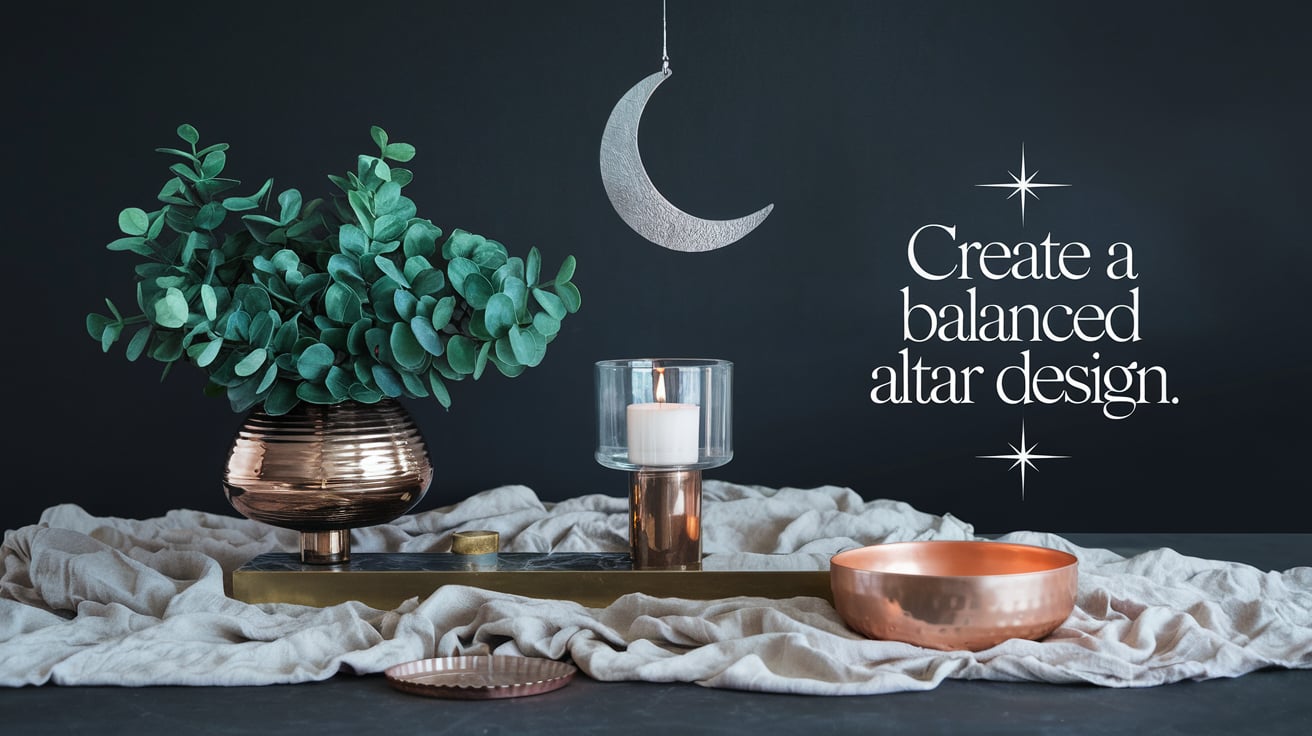
Creating an altar requires careful consideration of the materials you use. The right materials not only enhance the aesthetic appeal of the altar but also contribute to its spiritual energy and durability. This guide explores various materials you can use for altars and their unique qualities.
Best Woods for Altars
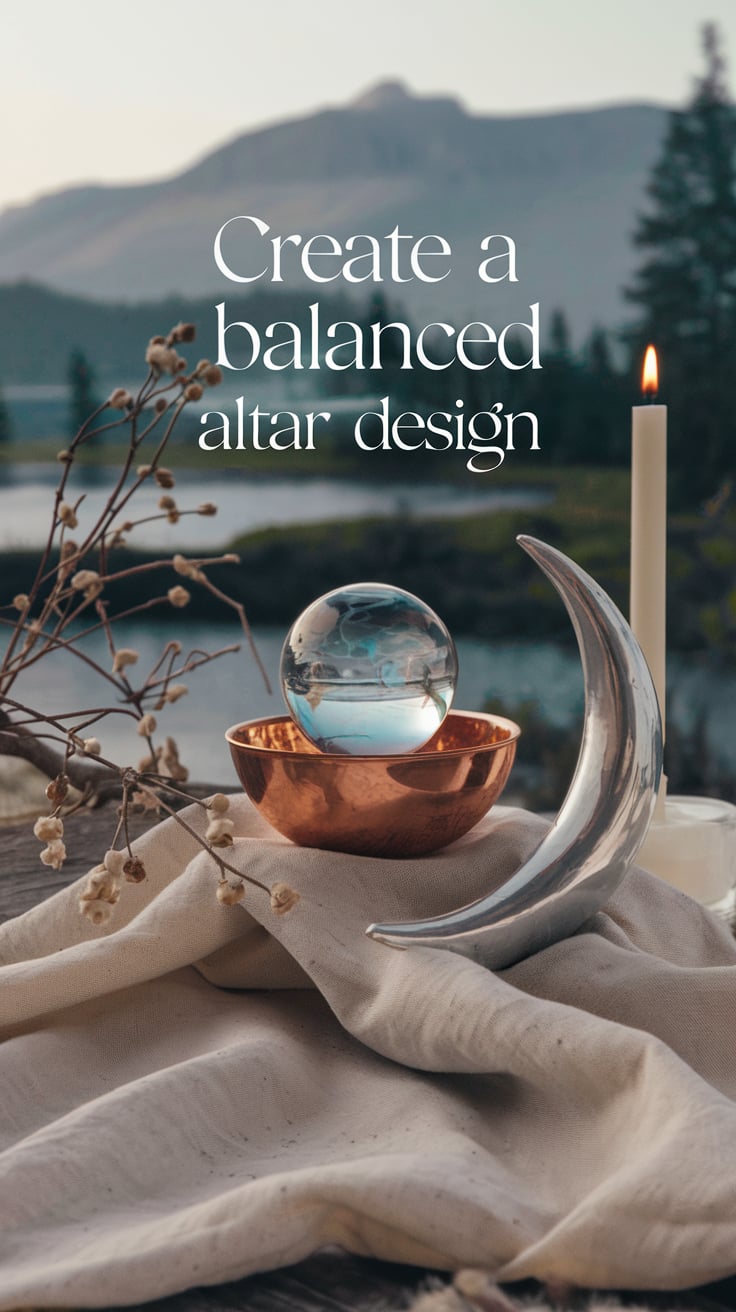
Wood is one of the most popular materials for altars due to its natural warmth and spiritual resonance.
- Sandalwood: Known for its calming aroma, sandalwood is ideal for spiritual practices.
- Oak: A durable and strong wood often associated with protection and wisdom.
- Cedar: Frequently used in purification rituals, cedar is a top choice for altars.
Learn more about the best wood choices for altars.
Natural Stones for Altars
Stones provide stability and grounding energy, making them a powerful addition to any altar.
- Marble: A luxurious and durable option often used in traditional and high-end altars.
- Granite: Known for its strength and endurance, granite represents resilience.
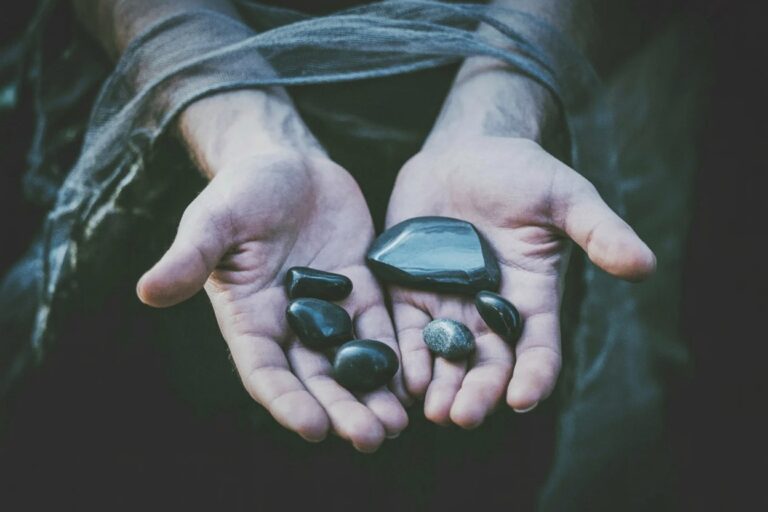
- Crystals: Stones like amethyst, quartz, and obsidian add spiritual energy and beauty.
Learn how to choose the right natural stones for your altar.
Metal Components in Altars
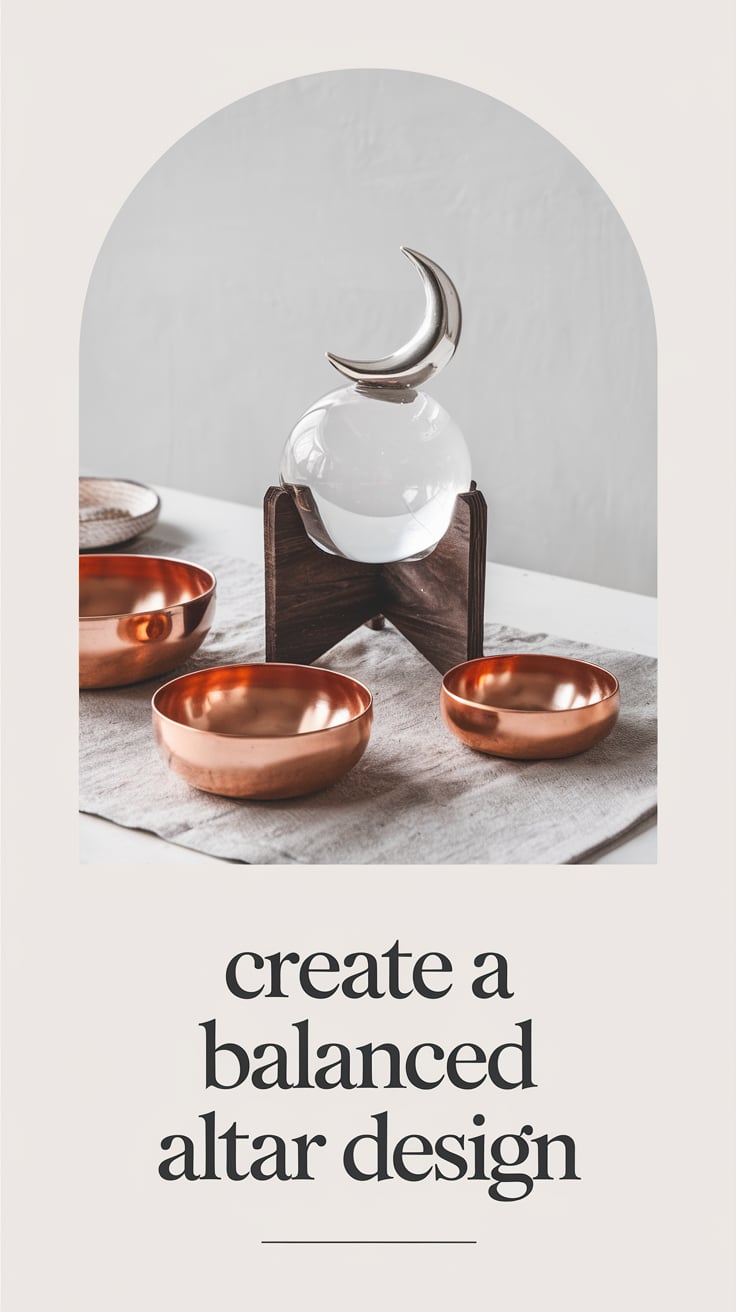
Incorporating metals can add a touch of elegance and symbolic significance to an altar.
- Copper: Associated with healing and balance, copper is a popular choice.
- Brass: Often used for its golden sheen and connection to the sun.
- Silver: A metal of the moon, silver is excellent for altars dedicated to lunar deities.
Choose the right metal correspondences for your altar.
Glass Altars: Pros and Cons
Glass is ideal for modern and minimalist altars but requires careful handling.
- Pros: Sleek appearance, easy to clean, and suitable for small spaces.
- Cons: Fragile and less durable than other materials.
Does a glass altar fit into your practice?
Sustainable Materials for Eco-Friendly Altars
For environmentally conscious practitioners, sustainable materials are an excellent choice.
- Bamboo: Lightweight, renewable, and perfect for simple designs.
- Recycled Wood: Combines sustainability with the charm of rustic aesthetics.
- Upcycled Materials: Creative options like old furniture or repurposed items can give your altar a unique touch.
Keep it sustainable with these eco-friendly altar material ideas.

Fabric for Altar Covers
Adding fabric to your altar enhances its visual appeal and protects its surface.
- Silk: Luxurious and smooth, silk is ideal for special occasions.
- Linen: A durable, natural fabric suitable for everyday use.
- Velvet: Adds a touch of opulence to any altar setup.
Find out how to choose and layer your fabrics for more witchy energy.
Combining Materials for Unique Designs
Mixing materials can create a one-of-a-kind altar that reflects your personality and spiritual needs.
- Wood and Metal: Combines warmth with strength, perfect for a balanced altar.
- Stone and Fabric: Adds texture and softness, blending the natural with the delicate.
- Glass and Crystals: A visually striking combination ideal for modern altars.
Learn how to combine materials for stronger magical correspondences.
Toxic Materials to Avoid
Some materials can be harmful to your health or disrupt the spiritual energy of your altar.
- Synthetic Fabrics: Avoid polyester and other synthetics as they lack natural resonance.
- Paints with VOCs: Use non-toxic paints and finishes to ensure safety.
- Plastic: While durable, plastic is not environmentally friendly and may lack spiritual depth.
Keep these toxic materials out of your practice!
Conclusion
Selecting the right materials for your altar is a personal and meaningful process. Whether you choose natural wood, elegant stone, or sustainable bamboo, your altar should reflect your spiritual journey and intentions. Mix and match materials to create a design that resonates with you and supports your practices.
With these options in mind, you can craft an altar that is both functional and beautiful.

Aphrodite of Love and War: Harnessing Magic for Romantic Victory
Unleash the dual powers of love and war with ‘Aphrodite of Love and War: A Spell Book for Romantic Warfare‘ for just $5.99—master the art of romantic magic and transform your desires into reality.
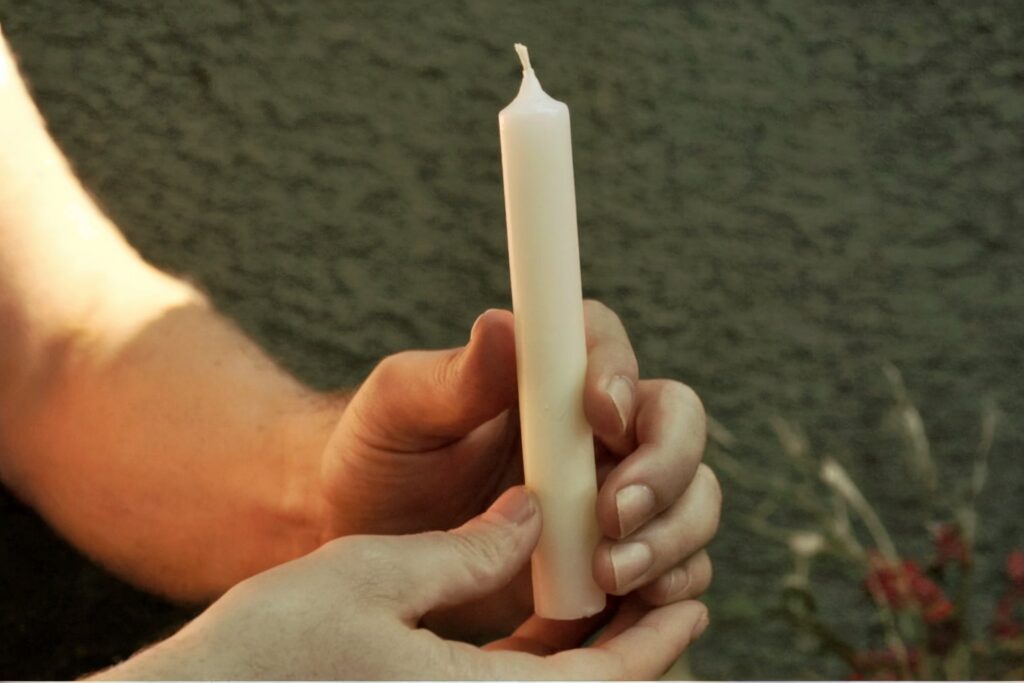
How to Bless White Candles for Yule Using Grocery Store Materials
White candles show up at grocery stores for a dollar. Unscented tapers, plain pillars, bags…
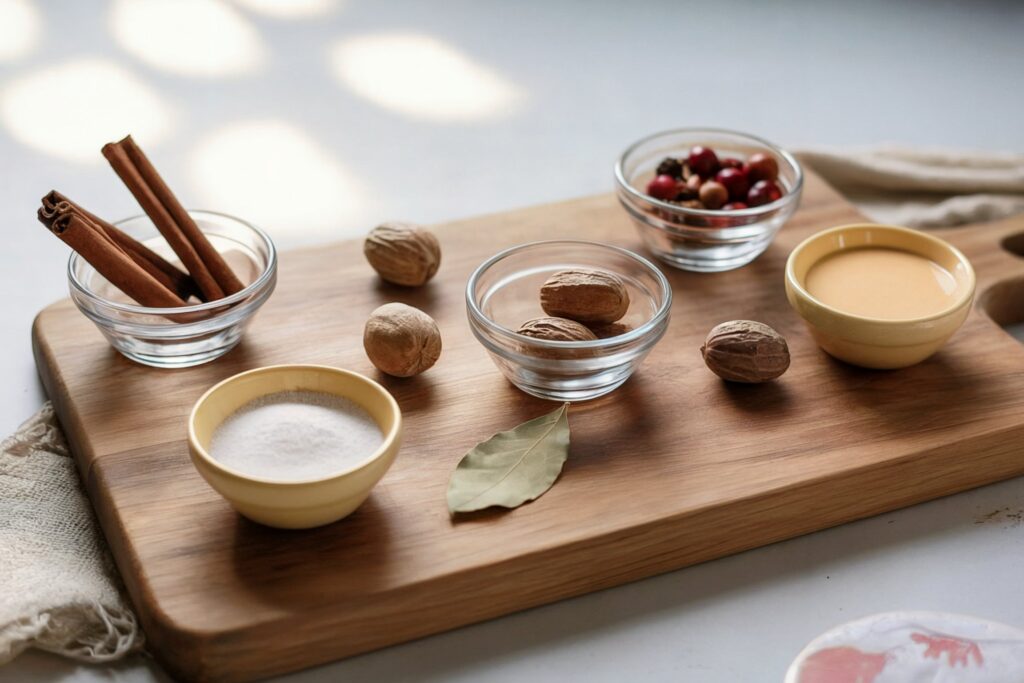
Traditional Yule Cookies with Cinnamon, Nutmeg, and Bay Leaf for Solstice Prosperity Magic
You’re standing in a warm kitchen making cookies while the world outside reaches its darkest…

Tips For Working With Lucifer During The Winter Solstice
Winter solstice timing makes sense for working with Lucifer when you look at what’s actually…
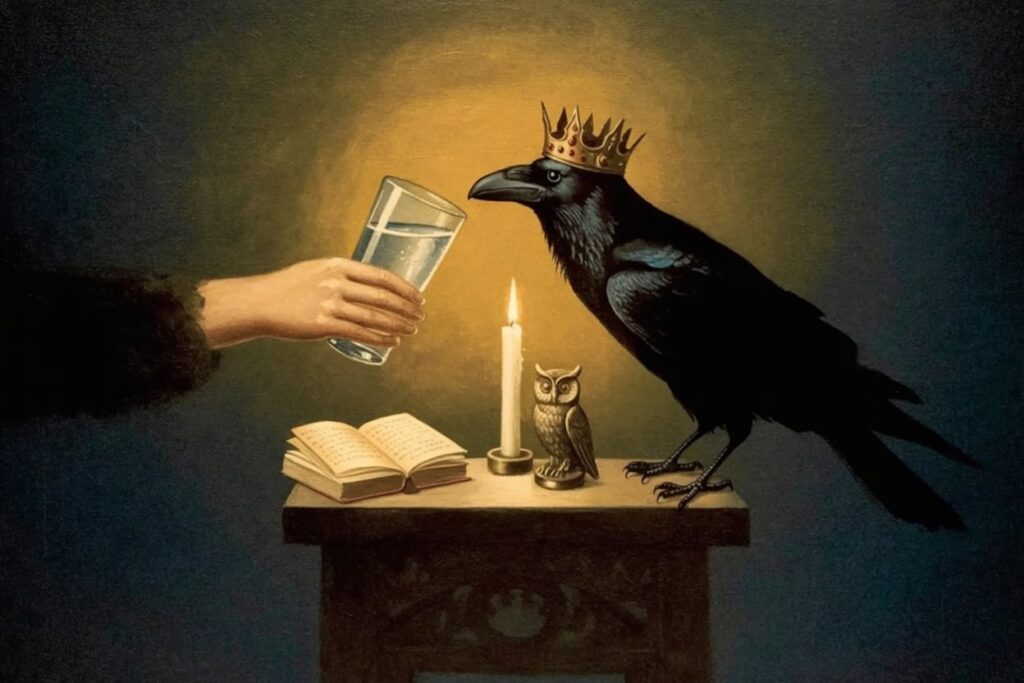
Stolas Altar Setup Guide: Study Desk for Goetic Teaching Work
Stolas teaches by training you to look harder. You’re studying moon phases for class and…

How to Build a Working Altar for Goetic King Bael
Bael appears in grimoires as the first king of the Goetia, ruling sixty-six legions. The…

How King Paimon Teaches Arts and Sciences Through Joy and Precision
The Ars Goetia describes the Ninth Spirit, King Paimon, arriving on a dromedary with a…