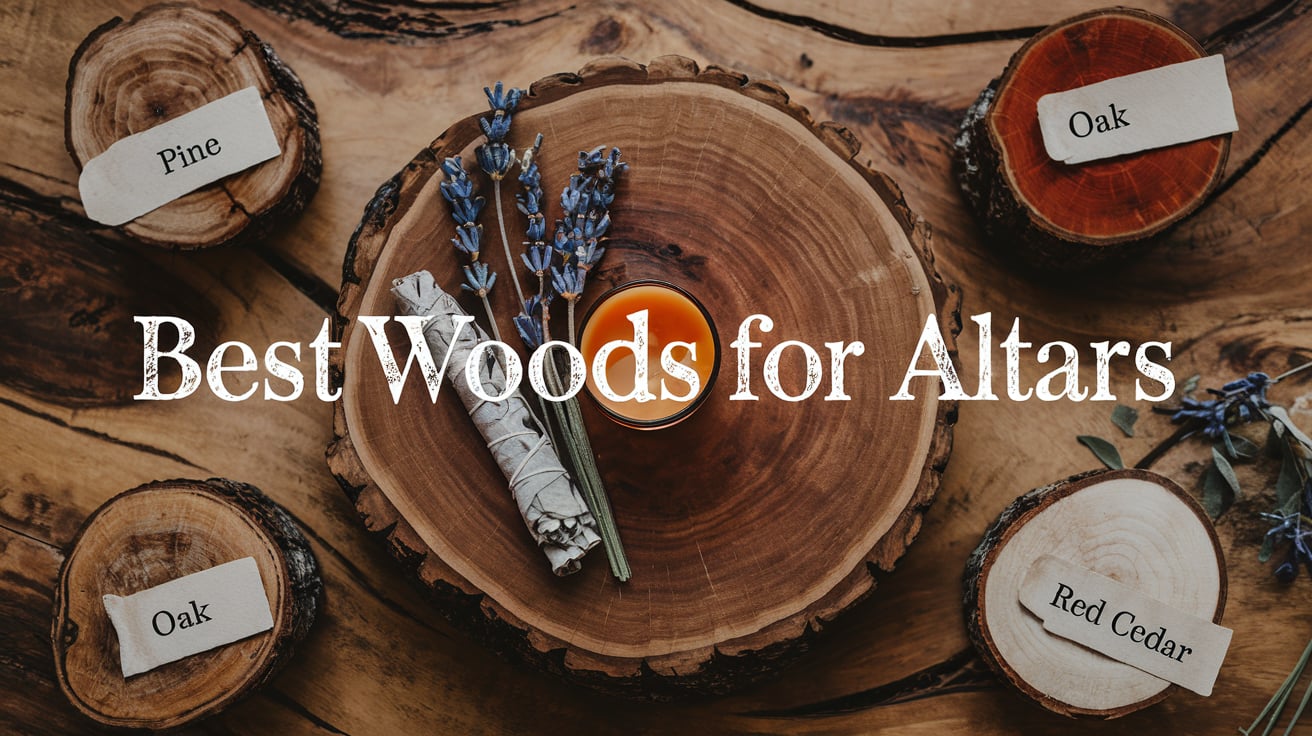
Best Woods for Altars: Choosing the Perfect Material
Please note that posts on this site may contain affiliate links
When it comes to creating an altar, the type of wood you use can significantly impact its energy, durability, and aesthetic. Wood has long been a preferred material for altars due to its natural warmth, spiritual resonance, and versatility. This guide explores three of the best woods for altars—sandalwood, oak, and cedar—and why they are favored in spiritual practices.
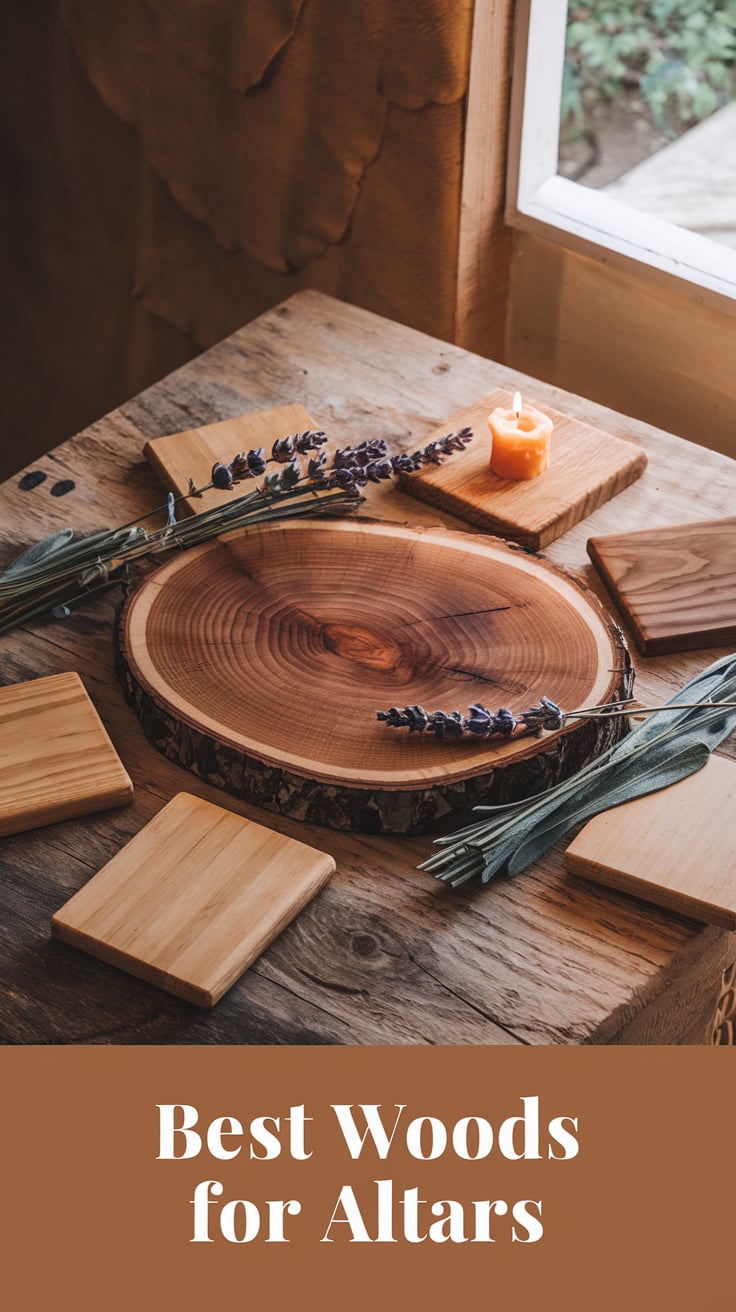
Sandalwood: The Wood of Serenity
Sandalwood is renowned for its calming aroma and spiritual significance.
- Spiritual Properties: Sandalwood is often associated with meditation and inner peace. Its soothing scent can help create a serene environment for prayer or ritual work.
- Durability: While sandalwood is not as hard as some other woods, it is durable enough for smaller, personal altars or decorative elements.
- Symbolism: In many traditions, sandalwood represents purity, spiritual connection, and tranquility.
Ideal Uses for Sandalwood Altars
- Altars dedicated to meditation and mindfulness.
- Spaces meant for deities associated with peace or healing.
- Small, portable altars due to its lighter weight.
Oak: Strength and Protection
Oak is a symbol of strength, endurance, and wisdom, making it a popular choice for altars.
- Spiritual Properties: In various traditions, oak is revered for its connection to protection, stability, and knowledge.
- Durability: Oak is a hardwood known for its incredible strength and longevity, making it ideal for large, permanent altars.
- Symbolism: Often called the “king of trees,” oak is linked to divine strength and the resilience of nature.
Ideal Uses for Oak Altars
- Permanent altars in homes or temples.
- Ritual spaces focused on strength, stability, or ancestral connection.
- Outdoor altars, as oak withstands the elements well with proper treatment.
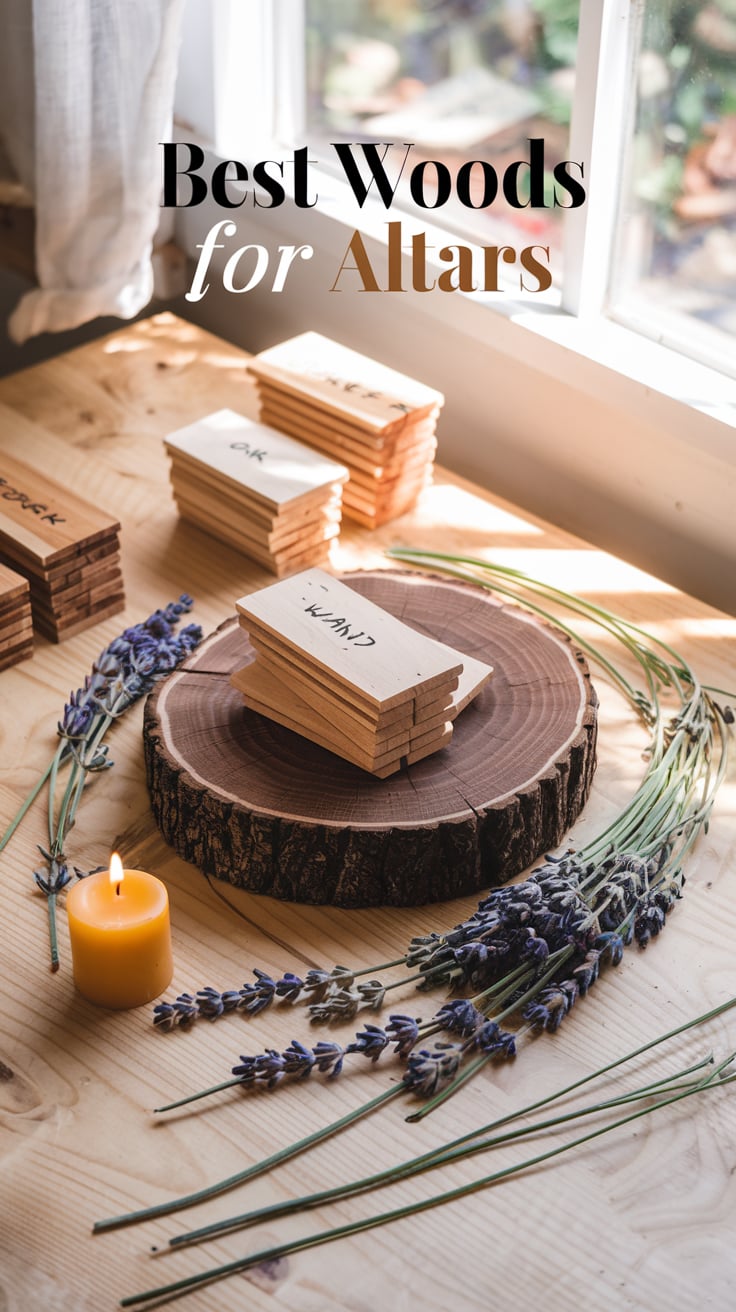
Cedar: Purification and Renewal
Cedar wood is deeply valued for its purifying properties and natural aroma.
- Spiritual Properties: Cedar is often used in cleansing rituals and is believed to ward off negative energies.
- Durability: Cedar is naturally resistant to decay and insects, making it an excellent choice for both indoor and outdoor altars.
- Symbolism: Cedar represents renewal, protection, and spiritual clarity.
Ideal Uses for Cedar Altars
- Altars used for purification or cleansing rituals.
- Spaces dedicated to deities associated with protection or renewal.
- Outdoor altars, thanks to its natural resilience.
Choosing the Right Wood for Your Altar
The best wood for your altar depends on your spiritual goals, aesthetic preferences, and practical needs.
- For Meditation: Sandalwood’s calming properties make it ideal.
- For Protection: Oak provides the strength and symbolism needed.
- For Cleansing Rituals: Cedar is the top choice for purification.
Caring for Wooden Altars
To ensure your altar lasts for years to come, proper care is essential:
- Clean Regularly: Dust and wipe down your altar with a soft cloth. Avoid harsh chemicals that can damage the wood.
- Polish or Oil: Use natural oils like beeswax or linseed oil to maintain the wood’s finish and prevent drying.
- Protect from Elements: If your altar is outdoors, consider sealing it with a weather-resistant finish.

Conclusion
The type of wood you choose for your altar adds a unique energy and significance to your sacred space. Whether you select sandalwood for its tranquility, oak for its strength, or cedar for its purifying qualities, your choice should resonate with your spiritual path and intentions.
By understanding the properties and symbolism of these woods, you can create an altar that truly supports your spiritual practice.
Beginner Witchcraft: 15 Candle Spells for Beginners
Illuminate your magical journey with ‘Beginner Witchcraft: 15 Candle Spells for Beginners‘ for only $3.99—unlock the power of fire, intention, and energy to manifest your deepest desires.
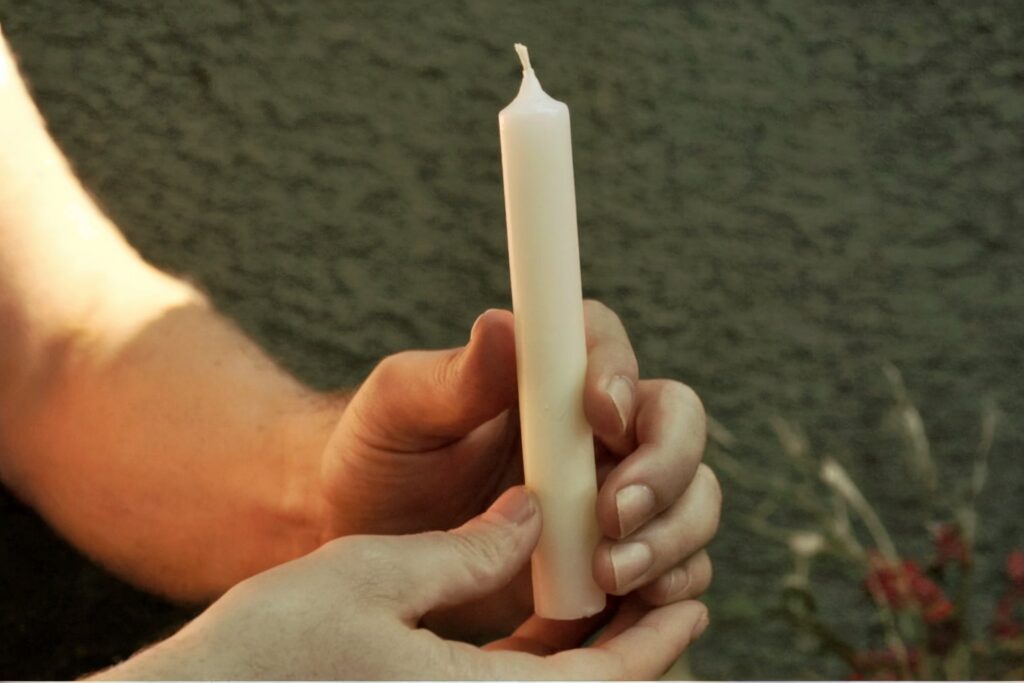
How to Bless White Candles for Yule Using Grocery Store Materials
White candles show up at grocery stores for a dollar. Unscented tapers, plain pillars, bags…
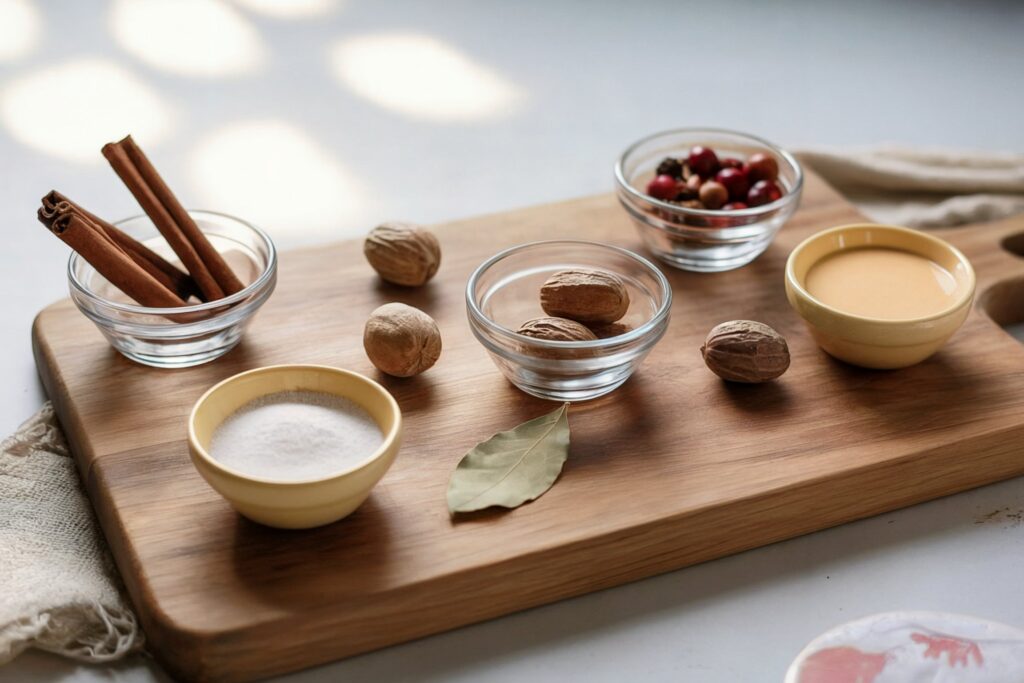
Traditional Yule Cookies with Cinnamon, Nutmeg, and Bay Leaf for Solstice Prosperity Magic
You’re standing in a warm kitchen making cookies while the world outside reaches its darkest…

Tips For Working With Lucifer During The Winter Solstice
Winter solstice timing makes sense for working with Lucifer when you look at what’s actually…

Stolas Altar Setup Guide: Study Desk for Goetic Teaching Work
Stolas teaches by training you to look harder. You’re studying moon phases for class and…

How to Build a Working Altar for Goetic King Bael
Bael appears in grimoires as the first king of the Goetia, ruling sixty-six legions. The…
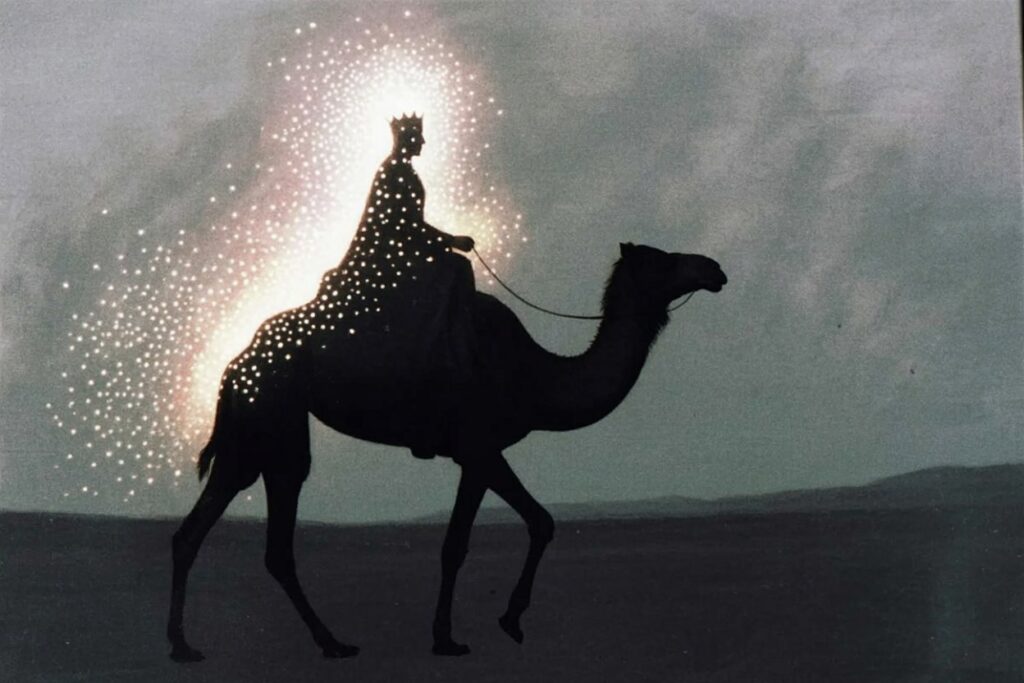
How King Paimon Teaches Arts and Sciences Through Joy and Precision
The Ars Goetia describes the Ninth Spirit, King Paimon, arriving on a dromedary with a…