Please note that posts on this site may contain affiliate links
I don’t write many opinion posts in general, but I wanted to dip my toe into the discussion on the use of “baby witch” to describe witches new to the craft.
This topic came up recently thanks to some trolls claiming to hex the moon, the Fae, and the Sun. I don’t have much of an opinion on them, since it seems pretty clear to me that this is nonsense.
My only opinion on that situation is that we should stop reacting so emotionally to people trying to troll us.
This is the consequence of becoming more mainstream. It won’t be going away, so stop letting it bother you.

Should We Call A Novice A “Baby Witch”?
What I do have an opinion on, have have had for quite a while, is that we should probably stop calling novices “baby witches”“.
The term makes it easy to disrespect someone new to the craft, minimizing and dis-empowering them.
Sure, most might not care. But we should care about the words we use to describe others.
Words are magick. They create realities. And when you call someone a baby witch, you are subtly willing them to act in childish ways.
Is it so much harder to simply call them novices? Or aspirants?
Newcomer, convert, fledgling, colt, apprentice, amateur, greenhorn, novitiate, prentice, recruit, rookie, starter, student, tenderfoot, or any other synonym of novice?
I have used the term a few times (mostly in trying to improve the SEO of my blog posts, sadly), but I think it may be time to end this fad and choose more respectable terms for the youthful and new witch.
If we want to encourage new witches to come to witchcraft with maturity, we must treat them as if we assume they are mature.
If we cannot afford them this respect, then we certainly have a part in the childish actions of those that would even claim to hex celestial bodies.
We set the tone for new witches. They look up to us, and often seek to emulate us.
Let’s give them a head start in becoming the badass, powerful witches we all wish to be.
Also: Should you even be hexing anything?
- Working With Hekate During The Full Moon
- 20 Love Spells: From Love At First Sight To Break Up
- A Witch's Guide to Setting Goals and Achieving Them in the New Year
- Goal setting tips
- How to use the lunar phases for goal setting (new moon, waxing moon, full moon, waning moon)
- How to use planetary days and hours for goal setting ( Sun, Moon, Mars, Mercury, Jupiter, Venus, Saturn)
- How to use monthly correspondences for goal setting
- How to mix all of these for explosively powerful magic
- Easy Simmer Pot Recipes for Financial Abundance Using Herbal Witchcraft
- Business Abundance Simmer Pot
- Good Luck Simmer Pot
- Life Of Luxury Simmer Pot
- Money Drawing Simmer Pot
- First Of The Month Prosperity Simmer Pot
- Unemployment Protection Simmer Pot
- Manifest Gifts Simmer Pot
- Full Moon Witchcraft: Traditions, Correspondences And Rituals For Beginners
- Moon Sign Astrology: Your Emotions & Inner Self Revealed
- The Magic of Full Moon Tea: Recipes And Rituals
- Beginner Witchcraft: 15 Candle Spells for Beginners
- Lilith Spells: Tapping Into The Dark Divine Feminine And Feminist Activism
- Aphrodite Of Love And War: A Spell Book For Romantic Warfare
- Pagan Prosperity: Aligning with Abundance through Earth-Based Practices
- Creating Moon Water During the Waning Moon
- Ascending Into Greatness: Unleashing Your Rising Sign's Potential
- Sea Witchcraft: A Guide to the Magical Wisdom of Water
During the full moon, we call upon Hekate to assist us in clearing our past, releasing our fears, and opening ourselves to new possibilities. We ask her to help us gain clarity in our lives, to help us transform our inner worlds, and to allow us to move forward with courage and confidence.
It is said that Hekate helps us to overcome obstacles and challenges that stand in our way, and to achieve our goals. In addition to being a benevolent Goddess, she is also a fierce warrior. When we summon her, we invite her to help us take charge of our lives, to lead us into battle, and to fight for justice.
I am an eclectic witch - I've been practicing since 1974. As a student of the occult, working with astrology, tarot cards, runes, and numerology, I found that this was a very comprehensive and well written text on working with Hekate during the full moon. Highly recommended. - Gail Sager
Great read - a must have for anyone interested in working with the Goddess during the full moon! Highly recommended! - Luis Meyer
We earn a commission if you click this link and make a purchase at no additional cost to you.
Find the perfect magic spell for your every romantic need. From first meeting a lover to breaking up or getting married, the perfect spell is in this book!
We earn a commission if you click this link and make a purchase at no additional cost to you.
The New Year is a great time to start fresh, and what better way to do that than with some magical help? This witchy book will show you how to properly plan your new year's goals and when to cast them, using lunar phases, planetary hours, planetary days, and monthly correspondences.
This intermediate level guide includes:
Are you ready to unleash the power of simmer pot spells in your life? In this guide, you'll learn everything you need to know about using these potent potions for wealth, abundance and success. From different recipes to ways of making them more powerful, this ebook will show you how to use simmer pots to create the life of your dreams. So what are you waiting for? Pick up a copy now and let the magic begin!
The different styles of simmer pots I will cover in this ebook are:
Take your moon magic to the next level with Full Moon Witchcraft. In this book, you'll learn how to work with the powerful energy of the full moon to create positive change in your life. From choosing the right moon phase for your spellwork to understanding how the full moon influences you based on your natal moon sign, you'll be equipped with all the information you need to work successfully with this potent lunar force.
You'll also find tips and tricks for working with full moon energy for love, money, healing, and even hexes and curses. So whether you're a novice witch looking to take your first steps into magical practice or an experienced practitioner looking to deepen your understanding of this vital component of witchcraft, Full Moon Witchcraft has everything you need!
We earn a commission if you click this link and make a purchase at no additional cost to you.
Learn the deepest secrets of your moon sign in this comprehensive guide!
By understanding your moon sign, you can get a much deeper insight into yourself – both on an emotional level and in terms of your true inner desires. With this knowledge at hand, you'll be able to make more informed choices about all areas of life that impact you, from relationships to career paths.
In this guide, we'll cover everything you need to know about moon sign astrology – from the basics of each sign to how it affects your moods and emotions. We'll also explore what your unique moon sign means for your spiritual journey and witchcraft, and how you can use this information to create the life you've always wanted.
So whether you're just getting started with learning about astrology or you're a seasoned pro, this guide will give you the insights you need to understand your moon sign like never before.
We earn a commission if you click this link and make a purchase at no additional cost to you.
Indulge in the enchanting power of the full moon with "The Magic of Full Moon Tea: Recipes And Rituals" - the ultimate guide to brewing delicious and spiritually nourishing herbal teas.
This book will lead you on an unforgettable journey of full moon energy, teaching you how to select the right ingredients, master the art of tea-making, and create your very own personalized blends.
Immerse yourself in the magic of full moon tea ceremonies and discover how to incorporate them into your spiritual practice. Whether you're a tea lover or a seeker of spiritual growth, "The Magic of Full Moon Tea" is the perfect companion to help you unlock the secrets of the universe, one sip at a time.
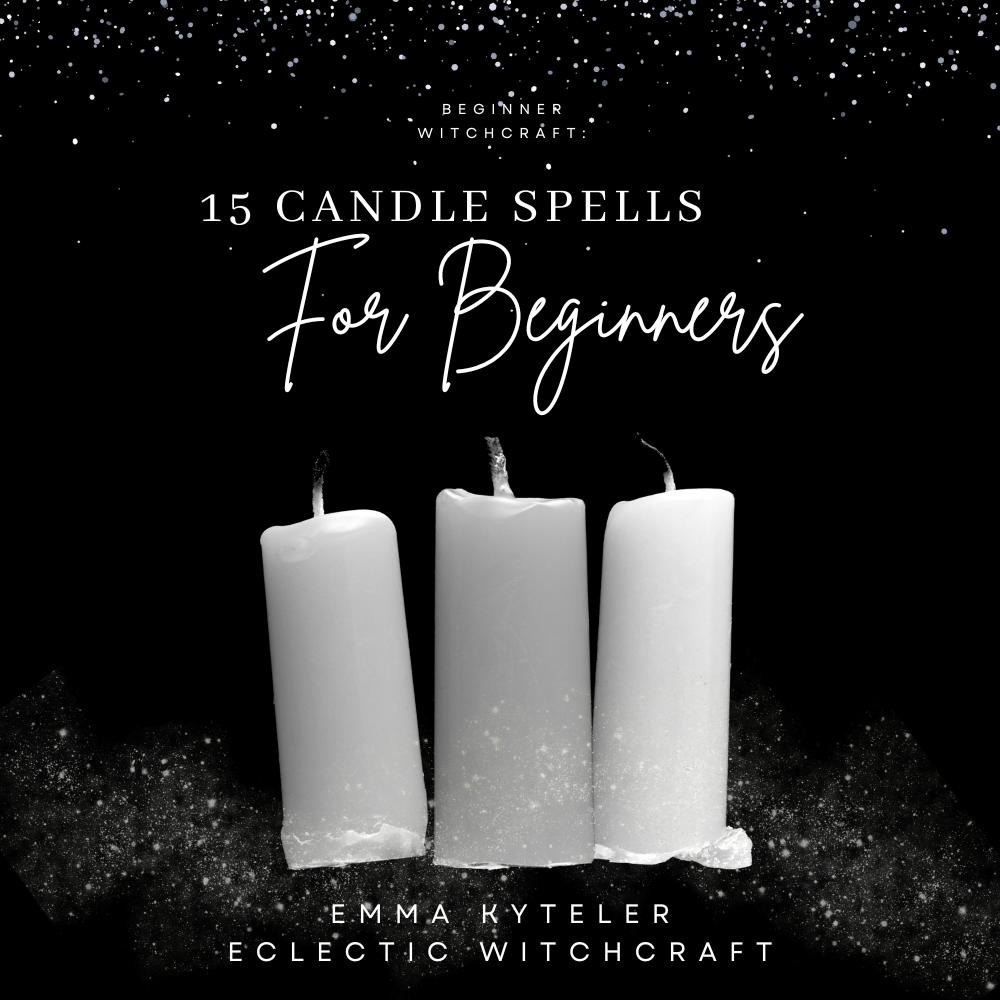
Discover the enchanting world of candle magic with "Beginner Witchcraft: 15 Candle Spells for Beginners," your ultimate guide to harnessing the power of fire, intention, and energy through the use of candles. In this comprehensive book, you'll learn the art of candle magick, an ancient practice rooted in the elemental power of fire and the symbolic meanings of colors. Whether you're new to witchcraft or an experienced practitioner looking to expand your knowledge, this guide has everything you need to embark on your magical journey with confidence.
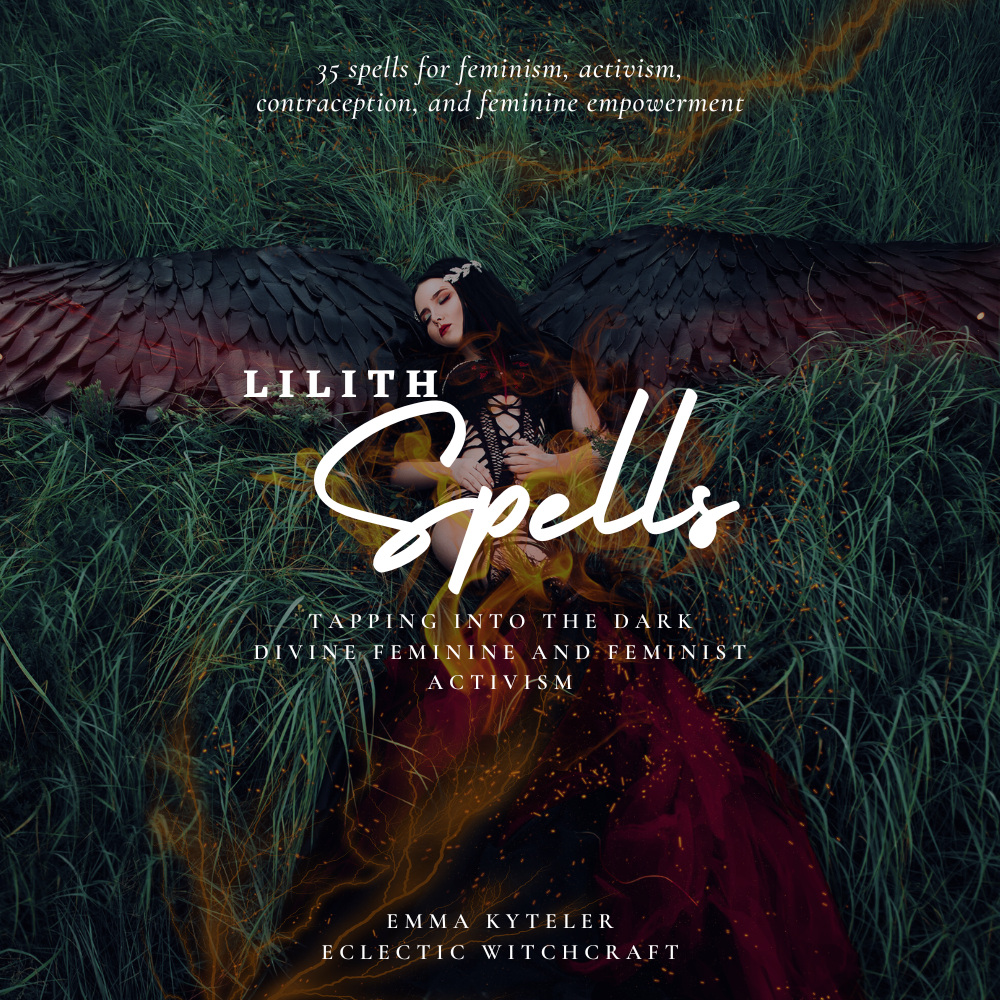
Delve into the mystical world of "Lilith Spells: Tapping Into The Dark Divine Feminine And Feminist Activism," a powerful grimoire that will guide you on a transformative journey through the realms of Lilith, the first wife of Adam, feminist icon, and demon goddess. Unearth the secrets of this enigmatic figure, who embodies the essence of feminine power, independence, and rebellion against patriarchal oppression. Includes 35 unique spells.

This comprehensive book delves into the dual energies of Aphrodite, empowering you to manifest your desires in matters of the heart and personal conflicts. Explore the depths of love and war magic as you learn advanced techniques such as sigil creation, candle magic, and divination to deepen your connection with Aphrodite and gain insight into romantic situations. Discover a diverse collection of spells that range from attraction and deepening connections to conflict resolution and protection. Embrace the dark aspects of love while honoring the nurturing and healing energies of Aphrodite, and learn to wield baneful magic with respect and caution. With its reader-friendly layout and comprehensive features, "Aphrodite of Love and War: A Spell Book for Romantic Warfare" is your ultimate companion on a transformative journey of self-discovery and empowerment.
Unearth Your Wealth: Harness the Power of Saturn and the Earth Element for Abundant Prosperity
Have you ever wondered if the stars and the elements could unlock your true financial potential? If you're ready to embark on a transformative journey, our book "Unearth Your Wealth: Harness the Power of Saturn and the Earth Element for Abundant Prosperity" is the mystical guide you've been waiting for!
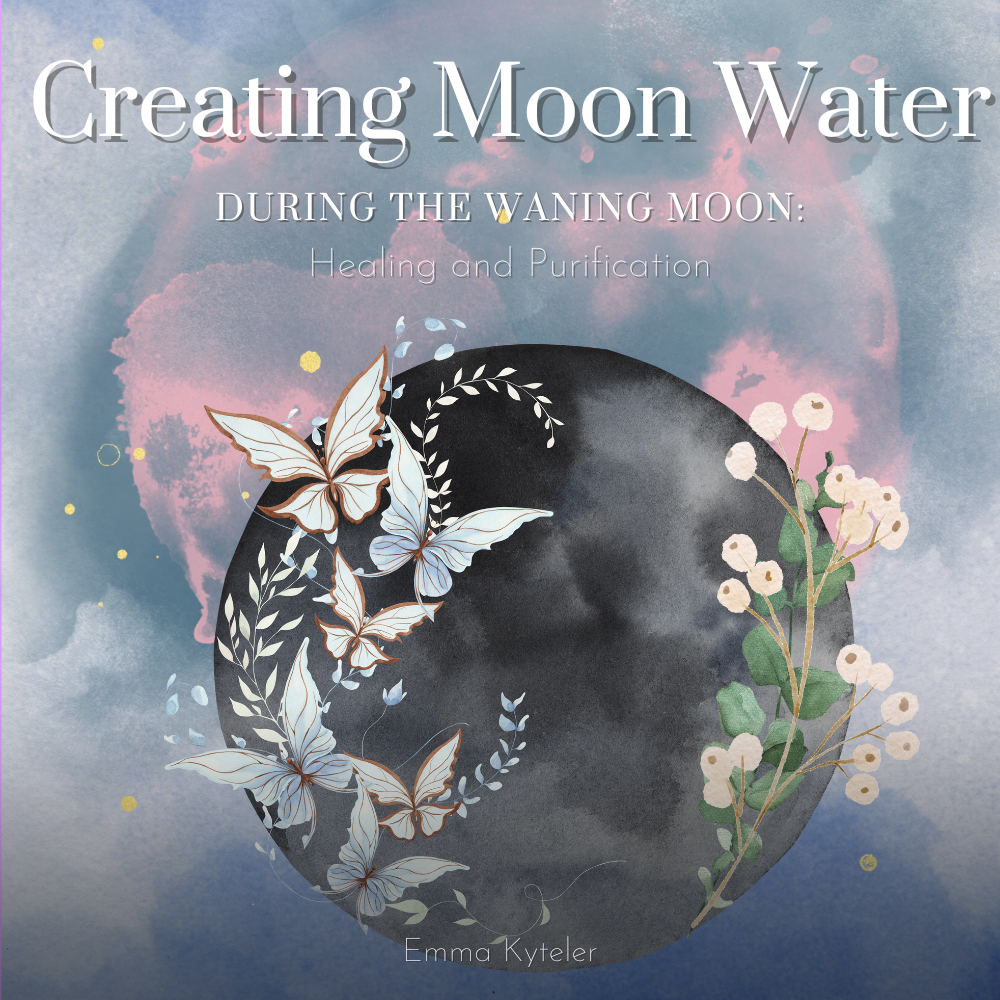
Unveil the power of the celestial bodies and explore a side of witchcraft often misunderstood and underused. "Creating Moon Water During the Waning Moon: Healing and Purification" is an all-inclusive guide that will transform your magical practice and daily life.
Dive into the pages of "Rising Signs Unveiled: Your Astrological Mask and Its Power" to decode the mystery that is YOU! This comprehensive guide uncovers the hidden depths of the twelve Rising Signs, from the trailblazing Aries to the dreamy Pisces, and everyone in between.
Are you called to the mystic arts of the sea? Do you feel a deep connection to water and long to learn from the endless wisdom of the oceans? Then this comprehensive guide to sea witchcraft is for you.
Keep Reading
- 5 Reasons Why Eclectic Witchcraft Is The Best Kind Of Witchcraft
- Solitary Witch: 5 Reasons You Should Practice Alone
- Drying Herbs For Herbal Magick: 3 Simple Magical Methods