Ostara Symbols: What Spring’s Return Actually Means
Please note that posts on this site may contain affiliate links
Ostara marks the spring equinox, the moment when daylight finally outlasts the dark. If you’ve survived winter, you know what that means: warmth returning, ground softening, things emerging from dormancy. The symbols we associate with this turning point connect directly to what actually happens in spring.
Some of these connections come from observation. Hares breed visibly in fields. Eggs appear in nests. Snakes emerge from winter hiding. Other associations are cultural codes we’ve built over time, like hot cross buns marking the wheel of the year. Both types of correspondences work, just differently.
Let’s look at the symbols important during Ostara and what they actually connect to.
Living Symbols of Spring’s Return
The Hare
March is breeding season for European hares. They’re visible, active, boxing in fields, multiplying rapidly. That’s not mystical symbolism. That’s what happens when you watch hares in spring.
The fertility associations come from direct observation: hares can conceive while already pregnant, producing litter after litter. The moon connections layer cultural meaning on top of that observable behavior. Many cultures associate hares with lunar cycles, probably because both involve visible phases and returns.
The story about the goddess Eostre transforming a bird into an egg-laying hare is almost certainly modern, despite the lack of clear evidence for Eostre herself. But the story works because it ties together three spring phenomena: birds returning, hares breeding, eggs appearing. Whether ancient or invented in the 1800s, the symbolic network functions.
Working with Hare Energy:
- Observe actual hares or rabbits if you can. Their behavior teaches more than mythology.
- Use hare imagery when you need momentum, quick multiplication of results, or bold action.
- Time fertility magic (any kind) to spring’s peak breeding season.

Eggs
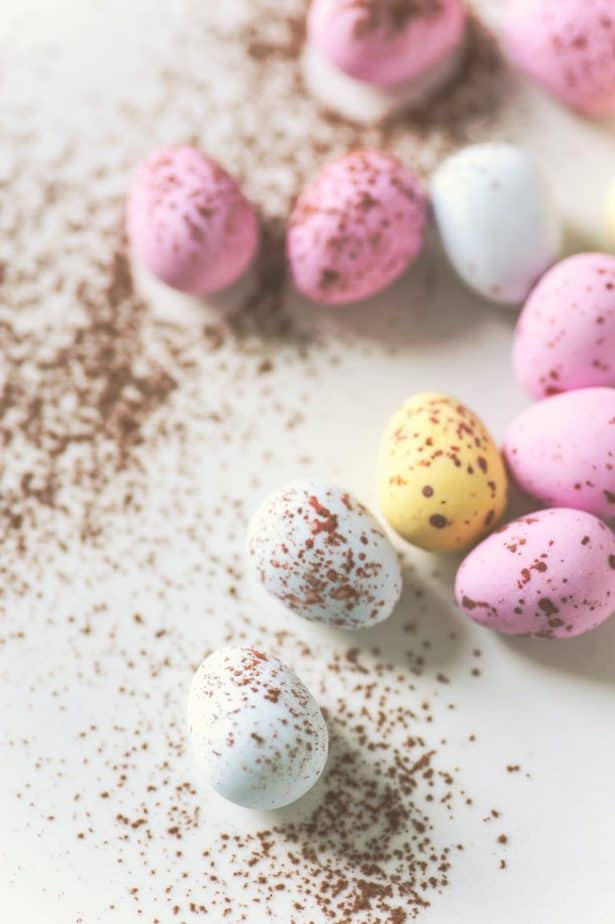
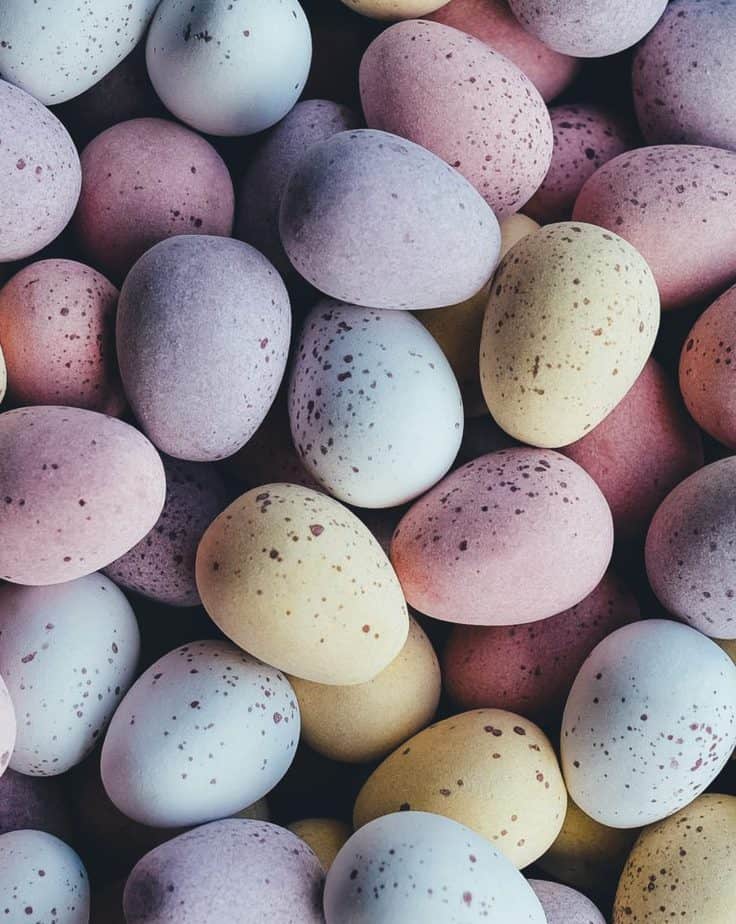
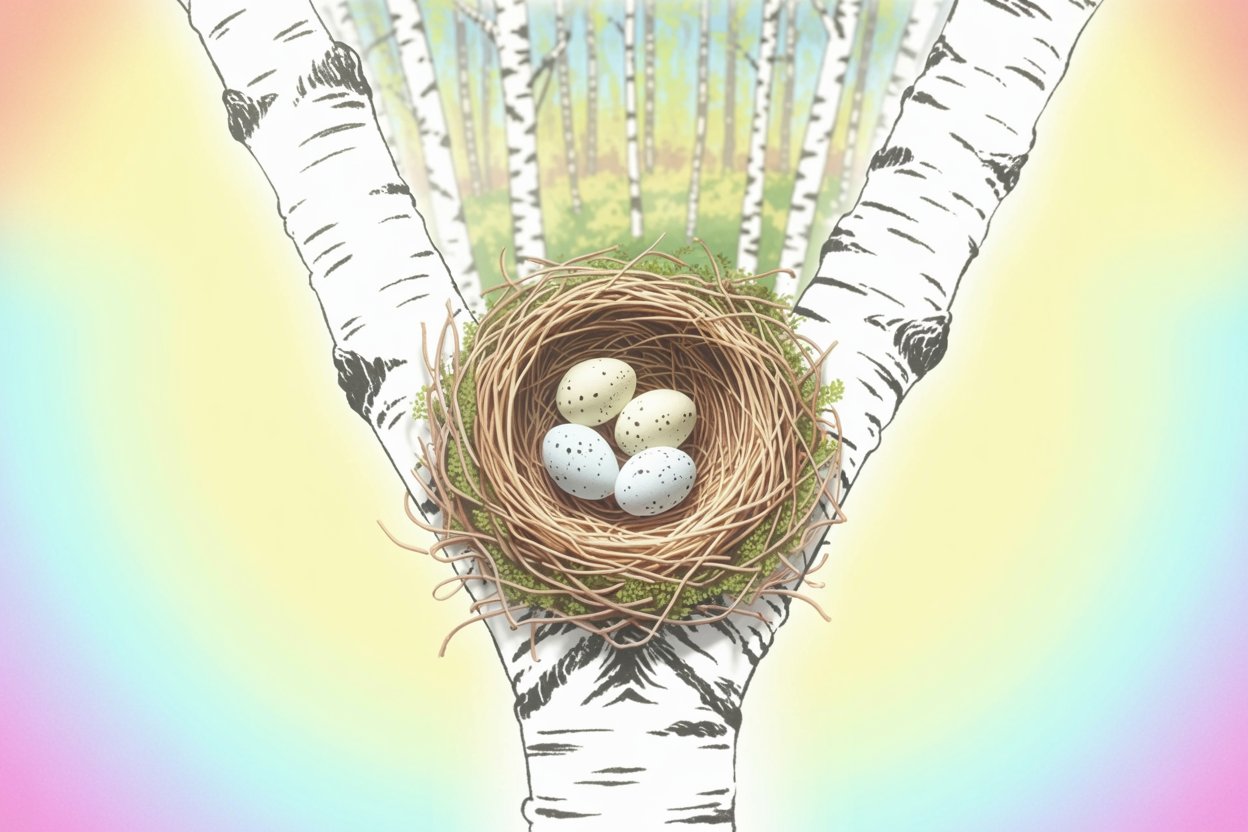
Every culture with egg-laying birds noticed that eggs contain life waiting to emerge. The symbolism is iconic: an egg looks like potential in a shell. Creation myths worldwide use cosmic eggs as universe origins because the metaphor is that direct.
Eggs symbolize fertility and new beginnings across traditions precisely because the connection requires no explanation. Crack an egg, life comes out. Spring brings nests full of eggs. The association builds itself through observation.
In magical practice, eggs work for:
- New beginnings: Bury an egg with your intention for something to grow
- Cleansing: Roll an egg over your body to absorb negativity, then dispose of it
- Fertility magic: Any kind, from conception to creative projects
- Kitchen witchery: Cook with intention during spring equinox meals
The decorated egg tradition (which we share with Easter) started as celebrating spring’s return with the season’s first eggs. We’ve added layers of meaning, but the foundation remains: eggs appear in spring, eggs contain potential, therefore eggs represent spring’s creative force.
Serpents and Dragons
Snakes hibernate through winter in most temperate climates. As the ground warms around the spring equinox, they emerge. You can time it almost to the week in many regions. The snake’s awakening indexes spring’s arrival because it actually correlates with seasonal warming.
The transformation symbolism comes from skin-shedding: snakes literally climb out of their old skin and leave it behind. That’s an iconic representation of renewal. You can see the empty skin, transparent and complete. What better image for leaving the past behind?
Snakes also bask in spring sunlight, making them solar symbols during this season of lengthening days. Many creation myths feature serpents precisely because they demonstrate visible cycles of dormancy, emergence, and renewal. Working with plant spirits often involves similar themes of transformation and seasonal return.
Snake Correspondences for Ostara:
- Transformation work: Shedding what no longer serves
- Awakening practices: Rousing dormant aspects of yourself
- Solar connection: Charging items in sunlight while visualizing snake energy
- Rebirth rituals: Leaving winter’s heaviness behind

Cultural Symbol Networks
Hot Cross Buns
These spiced buns marked with a cross have tangled origins. The cross predates Christianity: ancient cultures marked spring breads with crosses representing seasonal divisions.
What makes hot cross buns interesting for Ostara work is how flexibly the cross symbol operates. The same marking can represent:
- Four elements: Earth, Air, Fire, Water
- Four fire festivals: Imbolc, Beltane, Lammas, Samhain
- Four major moon phases: New, Waxing, Full, Waning
- Four directions: North, East, South, West
The code you use depends on your practice. This is how correspondences work: we build associative networks and activate the connections we need. The buns themselves are just spiced bread. The meaning comes from the system you’re working within.
Spring Flowers
First bloomers earn their symbolic weight through timing. Daffodils push through frozen ground before most plants risk exposure. Crocuses appear while snow still melts. These flowers demonstrate resilience through direct action: they survive what would kill more delicate plants.
Traditional Ostara Flowers:
- Daffodils: Hope, new beginnings, breakthrough
- Crocuses: Persistence, awakening, first light
- Primrose: Early arrival, gentle emergence
- Violets: Hidden growth, spring’s quiet work
- Pussy willow: Soft transformation, tactile spring
The symbolism emerges from observation. You watch daffodils break through winter’s grip, and the association with hope builds naturally. This is how folk magic works: repeated observation creates reliable correspondences.
Use spring flowers as offerings to deities, altar decorations, or in any work calling in fresh starts. Their power comes from demonstrating what they represent: breaking through, emerging despite resistance, bringing color back to a grey world.

Colors of Spring
Spring’s palette mirrors what actually appears in nature:
| Color | Natural Source | Magical Use |
|---|---|---|
| Light Green | New leaves, spring grass | Growth, new opportunities, heart healing |
| Light Blue | Clear spring skies | Communication, truth, patience |
| Pink | Fruit blossoms, dawn light | Gentle love, self-care, emotional healing |
| Yellow | Daffodils, forsythia, sunlight | Joy, success, confidence |
| White | Snow melting, early flowers | New beginnings, cleansing, fresh perspective |
These aren’t arbitrary. Light green covers the ground in spring. Yellow dominates the first flower waves. Pink fills orchards and gardens. The correspondences work because they reference observable reality.
Trees of Ostara
Birch stands out because it leafs earlier than most trees. In northern regions, birch signals spring’s definite arrival. This observable timing created the association with new beginnings.
Goddess Eostre’s connection to birch is probably a later addition, but it works symbolically: the goddess of spring favors the tree that announces spring’s return. The correspondence functions whether ancient or modern because the underlying observation holds true.
Ash and alder have their own spring timing and traditional uses. Ash connects to many creation myths. Alder thrives near water, roots submerged, perfectly suited to spring’s wet transition. Both trees demonstrate qualities we then assign magical meaning to.

Choosing Your Symbols
You don’t need all of these. Ostara is a wonderful time to work with whatever spring phenomena appear in your region.
Questions to ask:
- What actually emerges first where you live?
- Which symbols connect to observable changes you can witness?
- What resonates with your particular magical goals?
- What tools and supplies do you already have access to?
Some correspondences work through resemblance (eggs look like potential). Some work through timing (snakes emerge when spring arrives). Some work through cultural codes we’ve built over generations (hot cross buns as wheel markers). All three types function in practice.
The power doesn’t come from the objects themselves. It comes from the associative network: your observations, cultural traditions, personal charging through repeated use. Spring returns every year. These symbols help us mark that return and tap into its momentum.
Watch what emerges in your landscape. That’s where Ostara’s magic lives.
Use spring flowers as offerings to deities, altar decorations, or in any work calling in fresh starts. Their power comes from demonstrating what they represent: breaking through, emerging despite resistance, bringing color back to a grey world. Preserved flowers can extend that symbolic presence beyond the brief bloom season.